
Loyalty Program
Unexpected experiences, generous benefits and exclusive rewards. Open the door to endless possibility and get ready to live life to the fullest with ALL, Accor's exceptional loyalty program.
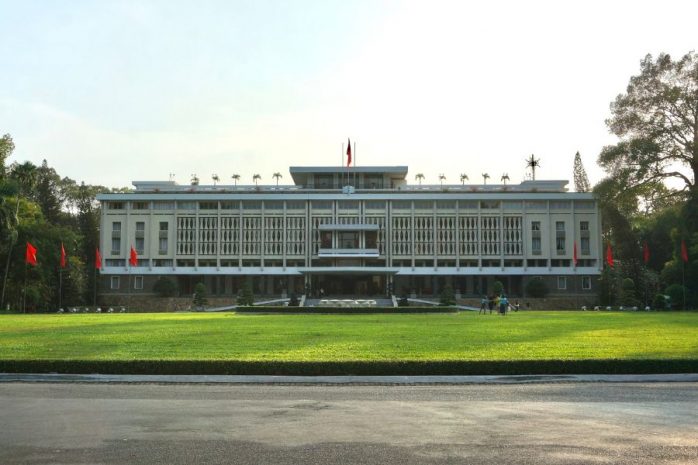
Independence Palace invites travelers into a world where Saigon’s past is not merely remembered but gently preserved in light, texture and architectural rhythm. Rather than approaching history as a distant narrative, the palace reveals itself through subtle gestures. Its quiet proportions and tactile surfaces create an atmosphere where time feels suspended and design becomes an elegant narrator of Vietnam’s modern story.
Located at 135 Nam Ky Khoi Nghia Street, the palace rests gracefully at the center of District One. It is surrounded by tree lined avenues and heritage landmarks such as Notre Dame Cathedral, the Central Post Office and the shaded paths of Tao Dan Park. As guests approach, the liveliness of the city begins to soften, offering a moment of calm before entering the grounds.
The palace is easily accessible. Many hotels in the district lie within a brief walk, and ride hailing services including Grab and Xanh SM will guide visitors directly to its entrance. Opening hours extend from seven in the morning until six in the evening, while the ticket office operates from 8 AM in the morning until 4 PM in the afternoon. Morning light brings a soft glow across the gardens and late afternoon settles into a serene atmosphere.
Entrance fees:
Walking from the garden to the main façade, the city’s noise gradually dissolves. The palace encourages a slower pace, inviting visitors to observe the quiet interplay between architecture and memory.
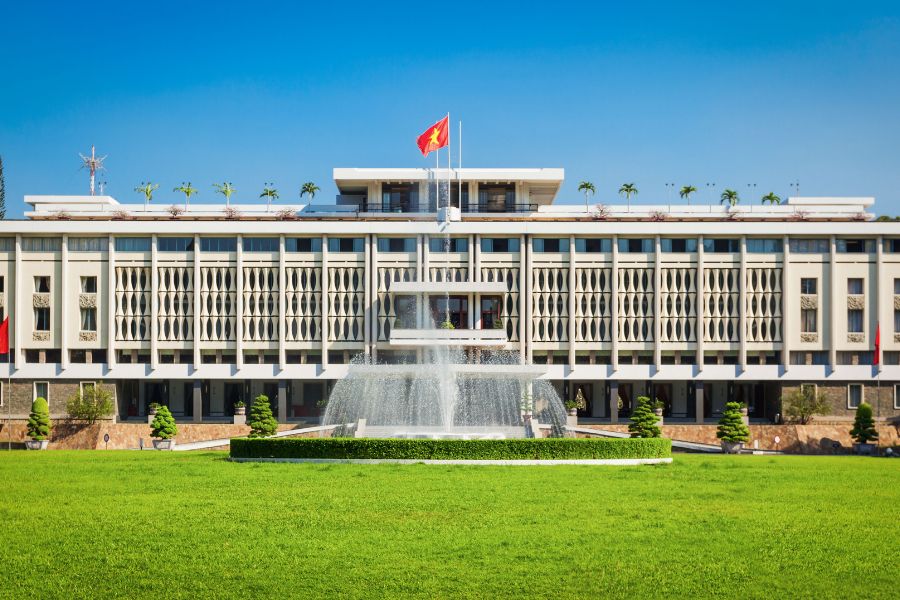
Some buildings hold their past in their very presence. Independence Palace carries layers of history shaped by shifting eras and cultural currents.
The story began in the late nineteenth century when Norodom Palace rose on this site. Completed in 1873, it displayed neoclassical elegance against a tropical landscape and became one of the region’s most distinctive colonial residences. It served administrative functions yet subtly reflected the meeting of two worlds.
Following the Geneva Agreement of 1954, authority over the site passed to the government of South Vietnam, beginning a new narrative that would reshape its architectural and political identity.
Renamed Independence Palace, the residence became the home and workplace of President Ngo Dinh Diem. Its significance grew as the government sought to define a national voice. In early 1962, an aerial attack damaged the structure and called for a complete reimagining.
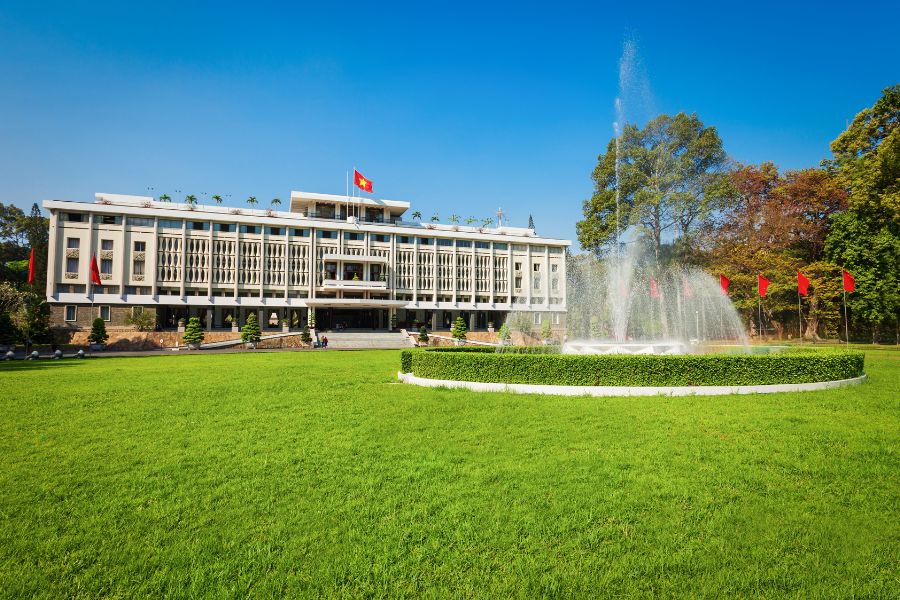
Architect Ngo Viet Thu envisioned a building that paired modern refinement with Eastern philosophy. Completed in 1966, the new palace featured clean lines, symbolic geometry and an orchestration of space and light that produced an atmosphere both contemporary and deeply rooted in Vietnamese aesthetics. It later served as the workplace of President Nguyen Van Thieu during one of the most defining periods in Vietnam’s modern era.
On April 30, 1975 the palace became the setting of a moment that continues to resonate. The event marked the end of conflict and the beginning of national reunification.
Now known as Reunification Hall, the palace is preserved as a Special National Relic. Visitors may explore ceremonial halls, preserved rooms and an underground command center. The site invites reflection on the evolving relationship between architecture, politics and cultural identity.
Timeline Summary
| Period | Key events |
| 1868 to 1873 | Construction of Norodom Palace for the Governor of Cochinchina in grand European neoclassical style |
| 1954 | Palace transferred to the South Vietnamese government after the Geneva Agreement and renamed Independence Palace |
| 1962 | Original palace damaged in an aerial attack, leading to demolition and reconstruction |
| 1962 to 1966 | Architect Ngo Viet Thu designs and completes the modern Independence Palace |
| 1975 | The palace becomes the setting of a pivotal moment marking the end of the Vietnam War and the beginning of national reunification |
| 1975 to present | Renamed Reunification Hall and designated a Special National Relic, now operating as a historical museum |
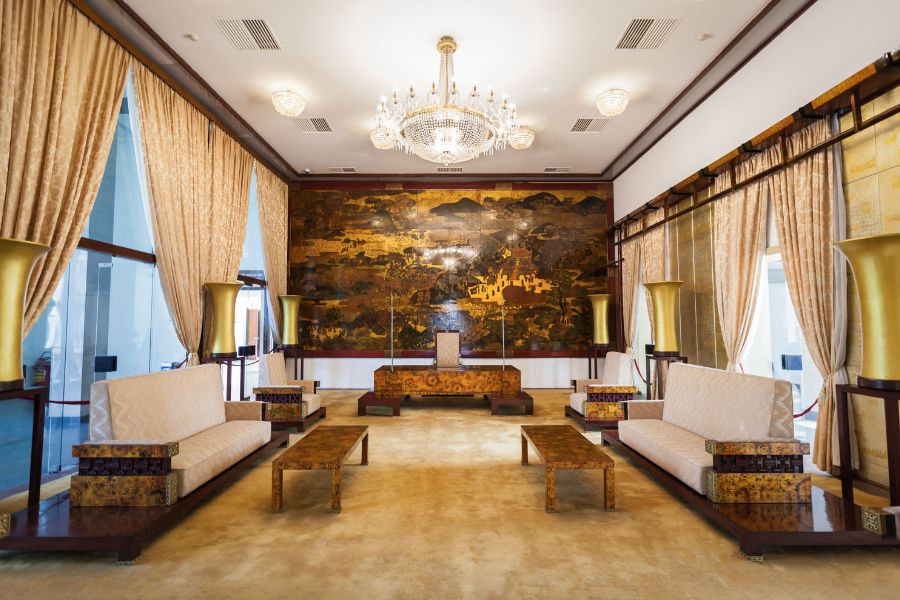
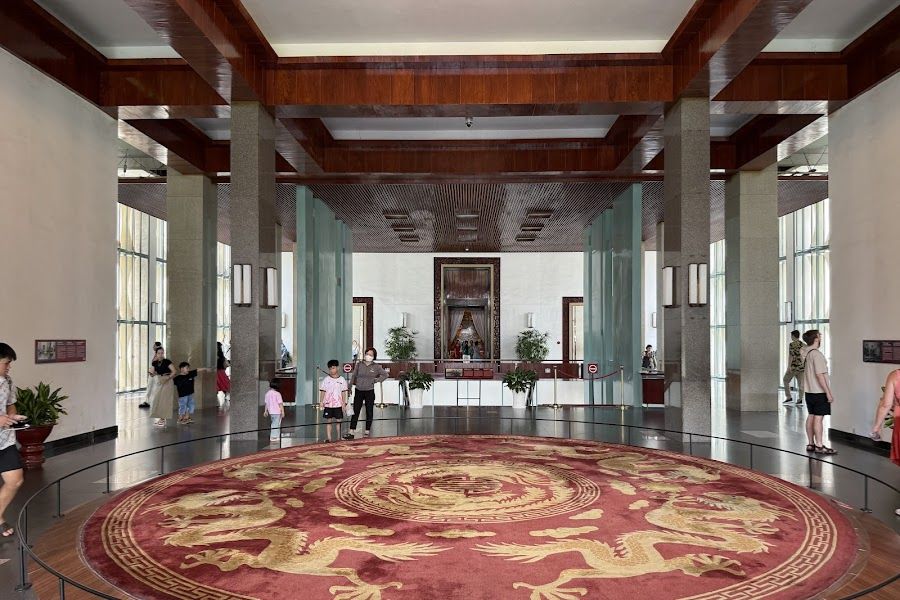
Stepping inside reveals a curated sequence of interiors that bring together ceremony, domesticity and cultural life. Each floor offers its own mood and narrative.
Wide corridors and luminous halls set a dignified tone. The Grand Hall once hosted national events and continues to express the formality and grace of those occasions.
Here, visitors discover intimate rooms that once held family routines and personal reflection. The President’s office and private lounges reveal the balance between public duty and private life.
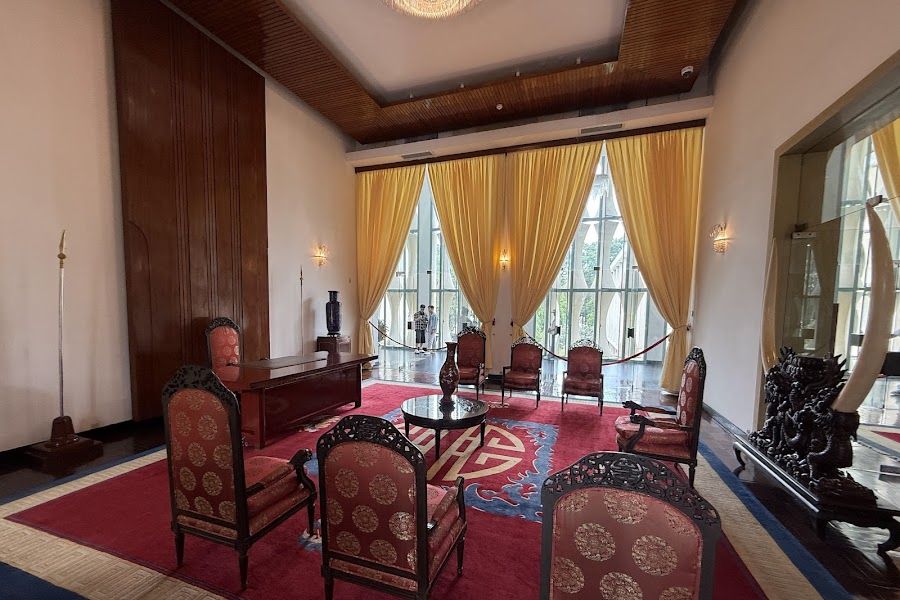
Source: Kris T
This level includes spaces for receiving delegations, a private cinema and a library. The rooms speak to a life shaped by intellectual engagement and diplomatic exchange.
A reading salon, private screening room and terraces offer moments of calm. These interiors reflect the softer rhythms and aesthetic preferences of the palace’s residents.
Descending into the basement brings a shift in atmosphere. Communication rooms, map chambers and preserved equipment convey the intensity of wartime operations.
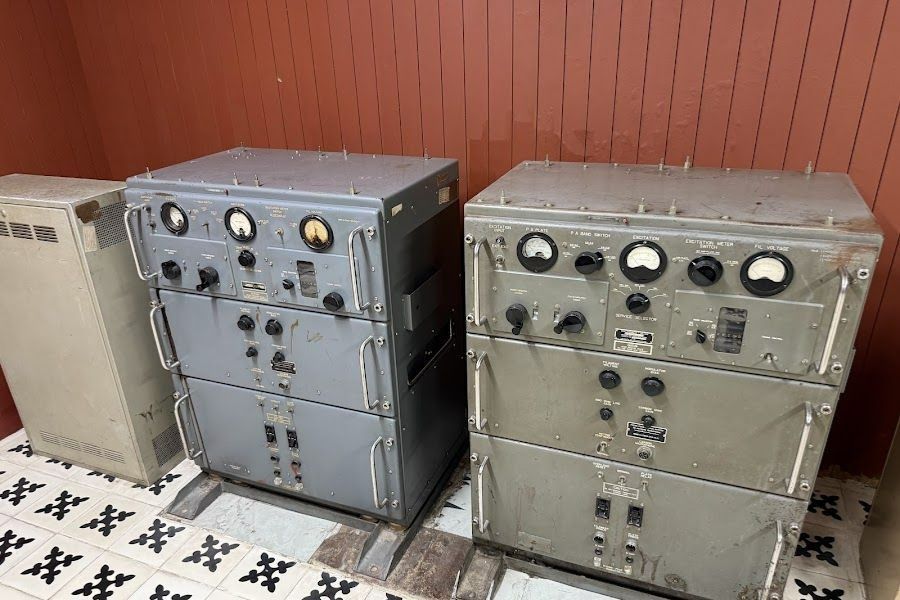
Source: Kris T
The rooftop opens to panoramic views of District One. The helicopter landing area remains as a quiet reminder of history while the city moves around it.
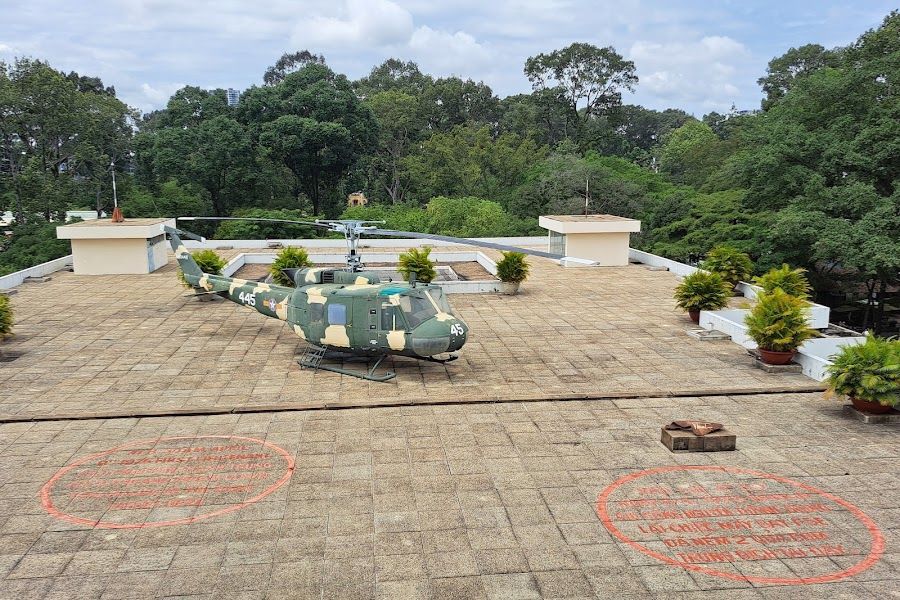
Source: Robert Speller
A short walk from the palace, Hôtel des Arts Saigon blends Indochine romance with contemporary artistry. Curated interiors, gentle lighting and the iconic Social Club rooftop create an atmosphere of elegance above the city. For travelers seeking cultural immersion and refined comfort, it is a natural companion to a visit to Independence Palace.
Other options
Why luxury travelers prefer staying nearby: Guests enjoy shaded morning walks, effortless access to heritage landmarks and the pleasure of returning to beautifully designed spaces after a day of exploration.
Yes, Independence Palace is absolutely worth visiting. From the perspective of Hotel des Arts Saigon, the palace offers a rare opportunity to step inside beautifully preserved mid century interiors and experience the cultural soul of Saigon. Its architecture, historic atmosphere and thoughtful details create a meaningful journey through Vietnam’s modern heritage, making it an essential stop for discerning travelers.
Yes, you can fully explore the interior of Independence Palace. Visitors are allowed to tour the reception halls, offices, meeting rooms, the President’s living quarters, and various historical exhibition areas.
No, there is no time limit. However, you should visit during opening hours from 7:00 AM to 6:00 PM daily.
Follow our hotel on: