Mariamman Hindu Temple: A Distinctive Spiritual Landmark in Saigon

Mariamman Hindu Temple: A Distinctive Spiritual Landmark in Saigon


Amid the lively rhythm of central Saigon, Mariamman Hindu Temple appears as a captivating cultural interlude, where the vibrant colors of South Indian tradition meet the open spirit of the southern metropolis. Passing through the temple gate, time seems to slow, giving way to the scent of incense, the soft resonance of bells, and whispered prayers.

This guide invites you to explore this unique spiritual landmark, revealing why a modest temple on Truong Dinh Street holds an entire universe of living belief within the heart of the city.

Where Is Mariamman Hindu Temple Located?

  • Address: 45 Truong Dinh Street, Ben Thanh Ward, District 1, Ho Chi Minh City
  • Opening hours: Generally open from morning to midday and again in the afternoon until evening. Visiting hours may vary depending on religious observances and special occasions.
  • Admission: Free of charge. Photography policies may vary, and a small fee or permission may be required at certain times.
  • Distance from Hôtel des Arts Saigon: Approximately 1.9 kilometers, with an estimated travel time of around ten to fifteen minutes by car, depending on traffic.

Located in the heart of District 1, Mariamman Temple offers a culturally rich pause for those wishing to encounter the South Indian heritage that continues to live and breathe in Saigon today. Just a short distance from the city’s busy streets, the temple opens into a space filled with incense and color, where a sense of calm is expressed through carved details and the steady rhythm of daily rituals.

The Best Time to Visit

The most rewarding moments to visit are often early in the morning, between seven and nine, or in the late afternoon, from around four to six. Morning visits carry a quiet clarity, as early sunlight filters through intricate carvings and highlights a gentle sense of devotion. In the late afternoon, warm light and softly lit lamps create a more contemplative atmosphere, allowing visitors to observe local worship and experience the mingling of incense with the city’s evening air.

Festivals and Special Observances

During festival seasons, the temple becomes especially vibrant, transforming into a spiritual stage where tradition is expressed through light, sound, and ritual.

  • Navratri, usually held in September or October according to the Hindu calendar, is among the most significant celebrations of the year. Spanning nine nights and ten days, the festival honors Goddess Mariamman and the divine feminine energy known as Shakti.
  • Vijayadashami, the final day of Navratri, is marked by special ceremonies and, in some years, processions connected to the surrounding community.
  • Diwali, the Festival of Lights, typically takes place in October or November. During this time, the temple is illuminated with oil lamps and decorative lighting, creating an atmosphere that is both joyful and reverent.
  • Daily puja rituals are usually held in the morning and evening, filling the space with rhythmic bells, drums, and chants that define the temple’s distinctive soundscape.
  • Some visitors may notice informal devotional practices, such as gently placing a hand or ear against the stone walls behind the main shrine. These gestures reflect personal expressions of faith rather than formal religious rites.
  • Other Hindu celebrations honoring deities such as Ganesha or Murugan may also take place throughout the year, often featuring symbolic offerings of milk, honey, flowers, and fruit.

Architectural Character of Mariamman Temple

From the exterior, the temple draws attention with its gopuram, a tiered tower that rises in a tapered, pyramid-like form. The surface is adorned with numerous figures of deities, dancers, and sacred creatures, rendered in vivid hues of gold, blue, red, and orange. Set against the modern cityscape, the temple façade feels like a gateway into memory, where art and devotion exist as one.

Inside, the main sanctuary houses the statue of Goddess Mariamman, adorned with jewelry and fresh flower garlands, forming the spiritual heart of the temple. Along the stone walls surrounding the shrine, rows of deities appear in symbolic postures representing various hopes and aspirations. Bas reliefs depicting episodes from Hindu mythology add cultural depth and naturally encourage visitors to lower their voices in reverence.

What Visitors Can Experience

Lighting incense and offering a wish

Visitors may prepare simple offerings such as incense or flowers, following guidance provided at the temple. Taking a quiet moment to express a heartfelt wish is less about ritual complexity and more about sincerity and respect.

Admiring the vivid sculptures

Each statue tells a story through form and color, from facial expressions and attire to the symbolic objects held in each hand. Observing closely reveals the rhythmic and structured language of Dravidian sculpture, which balances vibrancy with order.

Observing traditional prayer rituals

Arriving during puja hours allows visitors to witness the cadence of drums, bells, and chants that shape the atmosphere of worship. Standing at a respectful distance and remaining silent is enough to appreciate the collective power of the ritual.

Capturing peaceful moments through photography

The courtyard and temple frontage are popular areas for photography, particularly in soft morning light or during the warm glow of late afternoon. Visitors are advised to observe posted guidelines and ask for permission before photographing near sacred areas, avoiding direct images of altars when not permitted.

Enjoying a cultural pause

Within an exploration of District 1, the temple feels like a quiet reading room for the soul. Sitting still for a few moments allows the city’s noise to recede, revealing a gentler and more reflective layer of Saigon.

What to Wear When Visiting

As a sacred Hindu space, modest attire is recommended. Clothing that covers the shoulders and knees is appropriate, while sleeveless tops and short garments should be avoided. Shoes must be removed before entering the main sanctuary, so footwear that is easy to slip on and off is advisable.

What to Explore Nearby

Discovering Central Saigon

After leaving the temple, visitors can continue their journey through central Saigon, where familiar landmarks often reveal new stories.

  • Ben Thanh Market remains a long standing symbol of the city, known for its iconic clock tower and lively trading atmosphere throughout the day.
  • Saigon Square offers an indoor shopping experience popular with those seeking fashion and accessories in a dynamic setting.
  • Tao Dan Park provides a refreshing green space with mature trees, ideal for walking, breathing deeply, and observing early morning local life.

Dining near the temple

The area around Truong Dinh and Ly Tu Trong Streets offers a wide range of dining options, from vegetarian Indian cuisine to refined international experiences.

  • Tanishq Indian Vegetarian Restaurant, located a short walk from the temple, is known for its vegetarian Indian dishes, including thali selections and freshly baked naan.
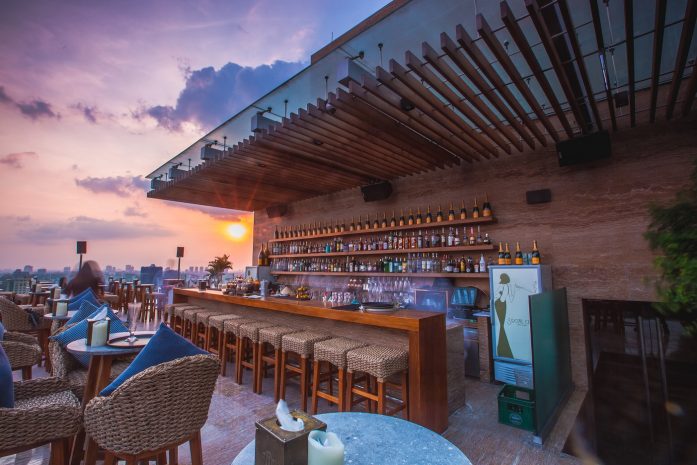
  • Cloud Nine Restaurant Saigon offers an elevated dining environment with city views, suitable for a romantic evening and thoughtfully presented Asian and European cuisine.
  • Hoang’s Kitchen appeals to those interested in elevated Vietnamese flavors and personalized cooking class experiences.

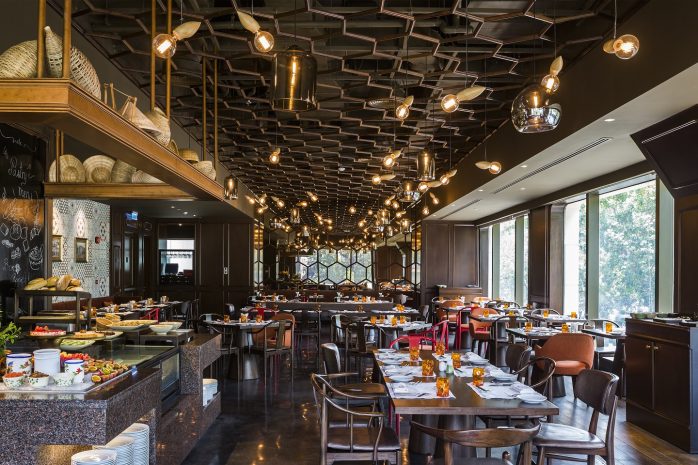
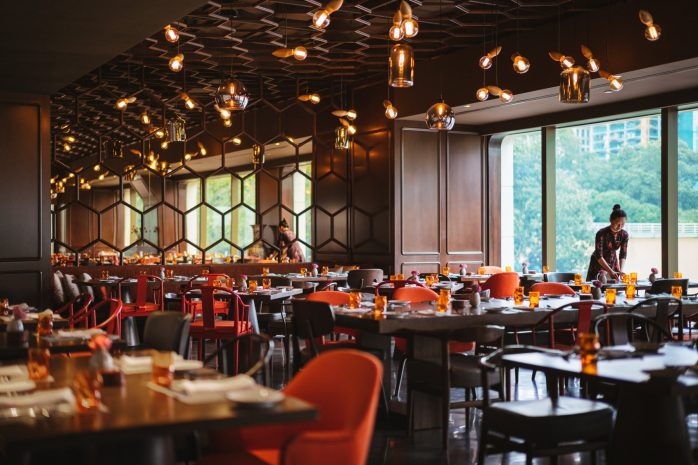
For a modern European dining experience with British influences, The Albion by Kirk on the twenty third floor of Hôtel des Arts Saigon stands out. In an elegant setting, guests can conclude a day of exploration with a dinner defined by clarity of flavor, seasonal ingredients, and refined technique under the direction of Michelin starred chef Kirk Westaway.

Cafes worth visiting

A well chosen café provides a gentle and urban ending to the visit.

  • Cong Caphe on Ly Tu Trong Street offers a nostalgic setting with balcony seating overlooking the street, where coconut coffee is a favorite choice.
  • L’Usine on Le Thanh Ton Street features high ceilings, patterned tiles, and a contemporary French inspired ambiance, suitable for working, conversation, or brunch.
  • The Workshop Coffee caters to specialty coffee enthusiasts, with an industrial design, a central bar, and a range of manual brewing methods.

Tips for First Time Visitors

For a respectful and enriching experience, a few considerations are helpful.

  • Choose early morning hours to experience a calmer atmosphere and softer light.
  • Prepare modest clothing made from breathable fabrics, suited to Saigon’s climate.
  • Place shoes neatly in designated areas before entering the main hall.
  • Remain quiet, silence mobile phones, and step aside when worshippers are praying.
  • Observe photography signs and ask permission before photographing near shrines.
  • If you wish to witness prayer rituals, arrive close to morning or evening puja times and stand where foot traffic is not obstructed.

A Notable Hotel Nearby

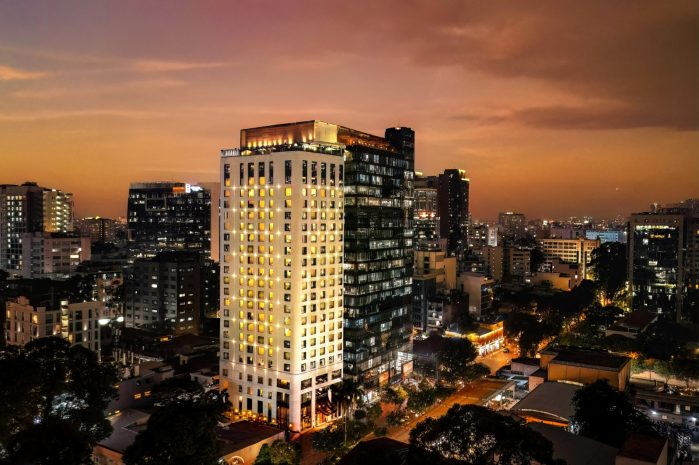
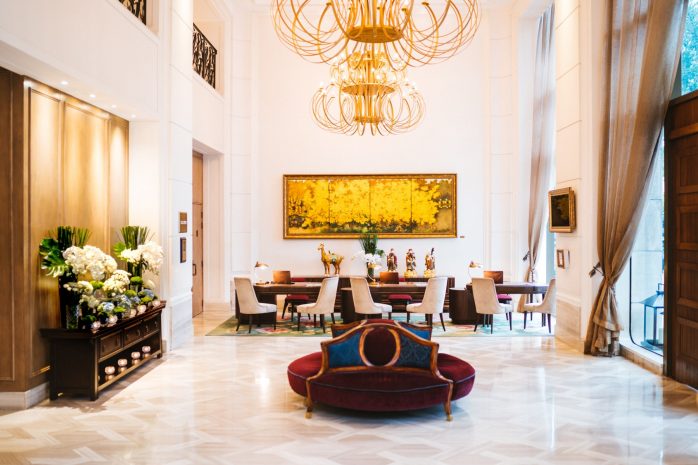
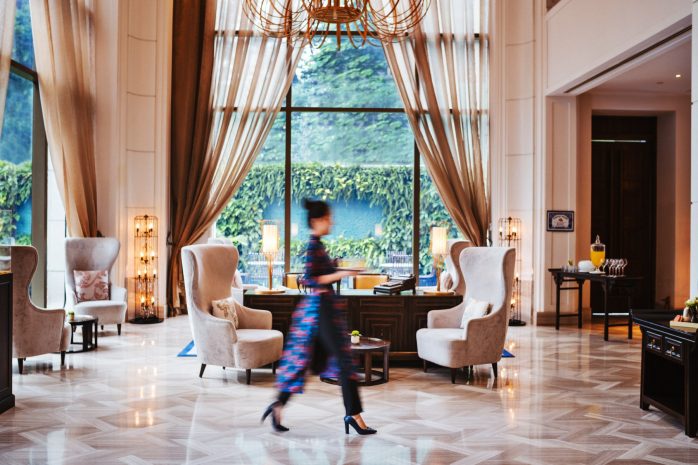
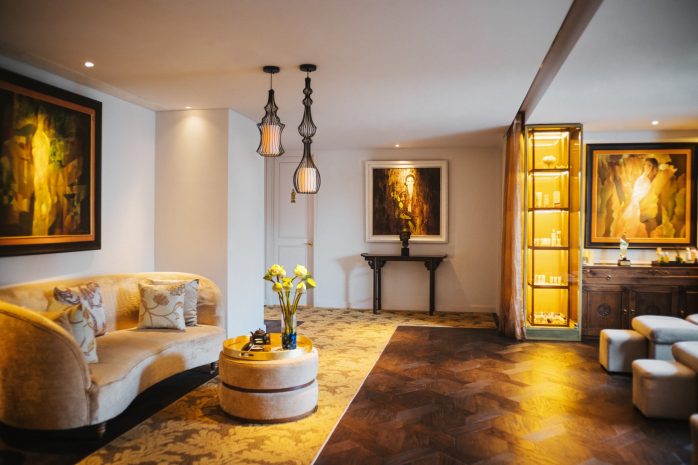
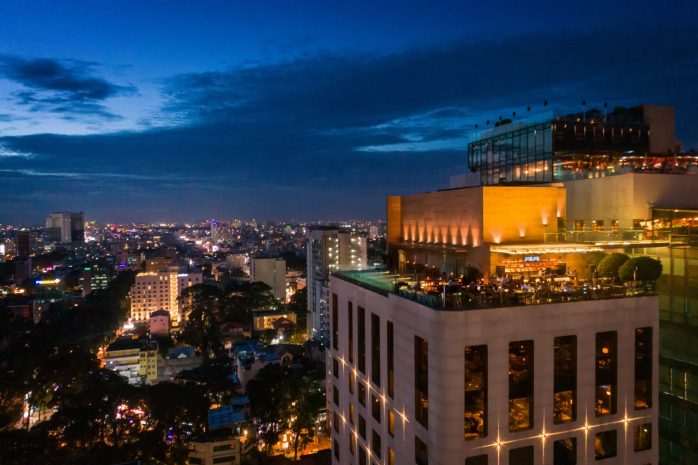
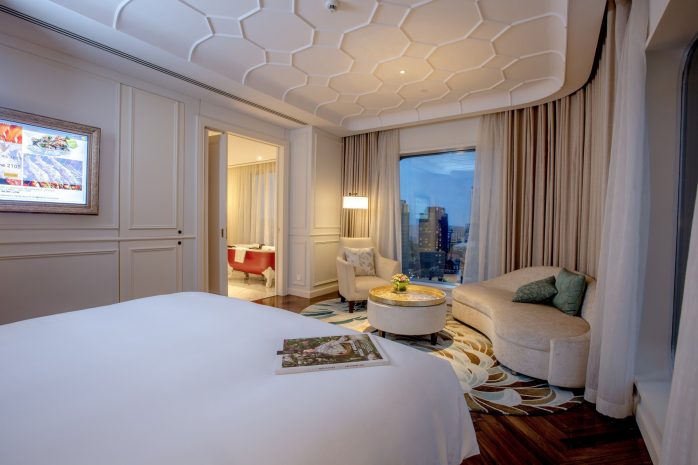
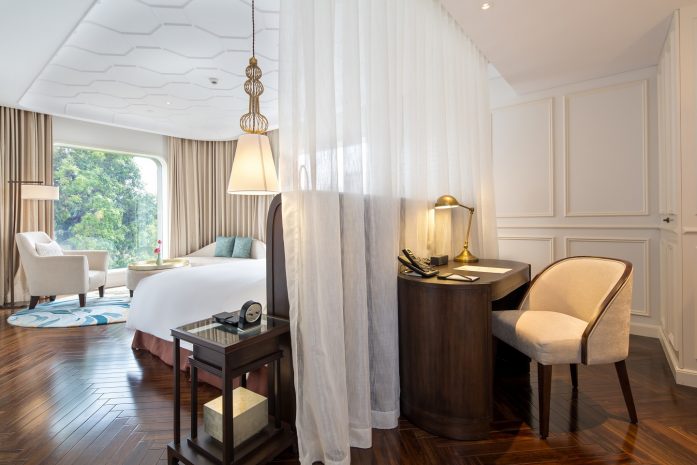
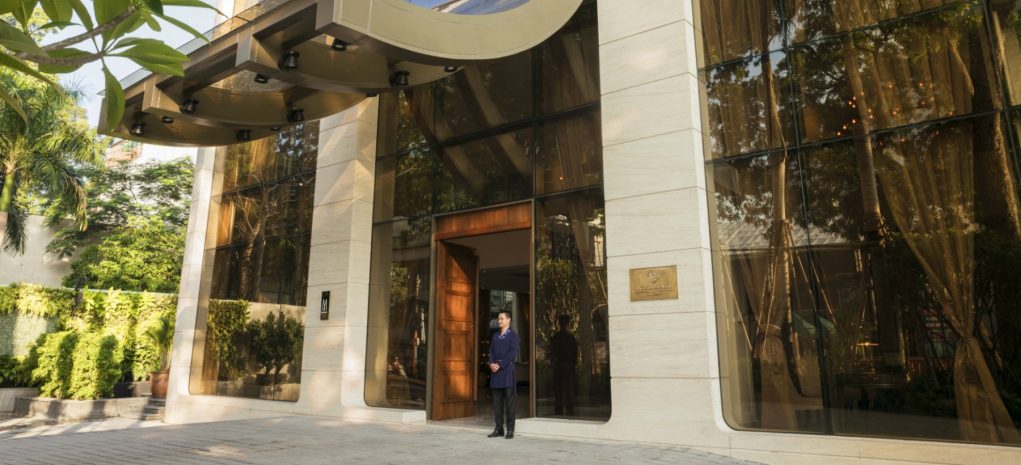
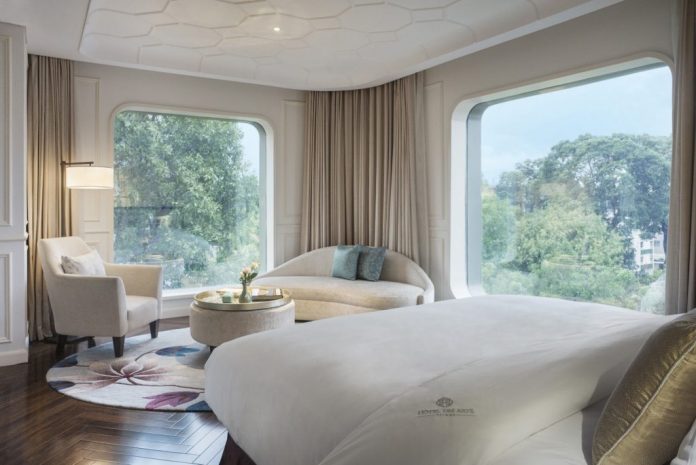
While District 1 offers many accommodation options, Hôtel des Arts Saigon stands out for travelers drawn to a boutique lifestyle aesthetic. The interplay of French Indochine charm and contemporary elegance creates a refined retreat where guests can restore their energy after exploring the city’s cultural layers, including Mariamman Temple located just under two kilometers away.

FAQs

Is Mariamman Hindu Temple worth visiting?

Absolutely. The Dravidian architecture, with its multi-tiered gopuram and vividly colored deities, offers a rare visual experience in the center of Saigon. Combined with active worship and the presence of diverse communities, the temple reveals a multicultural and open minded side of the city.

Can non Hindu visitors enter the temple?

Yes. The temple welcomes visitors of all backgrounds. Guests are expected to dress modestly, remove shoes before entering, and maintain a respectful demeanor. Photography should follow on site guidance, especially within sacred areas.

Is a guide necessary for the visit?

A guide is not required, as the temple is compact and easy to explore independently. Visitors may observe rituals, light incense, or purchase simple offerings as locals do. Those interested in Hindu history and mythology may choose a guide to gain deeper insight into the symbolism and stories behind the sculptures.

Meaningful. Memorable. Moments.

Follow our hotel on:

  • facebook
  • linkedin
  • instagram
  • youtube
Loyalty Program
Unexpected experiences, generous benefits and exclusive rewards. Open the door to endless possibility and get ready to live life to the fullest with ALL, Accor's exceptional loyalty program.
Become member
  • mariamman-hindu-temple-a-distinctive-spiritual-landmark-in-saigon
  • mariamman-hindu-temple-a-distinctive-spiritual-landmark-in-saigon
  • mariamman-hindu-temple-a-distinctive-spiritual-landmark-in-saigon
  • mariamman-hindu-temple-a-distinctive-spiritual-landmark-in-saigon
  • mariamman-hindu-temple-a-distinctive-spiritual-landmark-in-saigon
  • mariamman-hindu-temple-a-distinctive-spiritual-landmark-in-saigon
  • mariamman-hindu-temple-a-distinctive-spiritual-landmark-in-saigon
  • mariamman-hindu-temple-a-distinctive-spiritual-landmark-in-saigon
  • mariamman-hindu-temple-a-distinctive-spiritual-landmark-in-saigon
  • mariamman-hindu-temple-a-distinctive-spiritual-landmark-in-saigon
  • mariamman-hindu-temple-a-distinctive-spiritual-landmark-in-saigon
  • mariamman-hindu-temple-a-distinctive-spiritual-landmark-in-saigon
  • mariamman-hindu-temple-a-distinctive-spiritual-landmark-in-saigon
  • mariamman-hindu-temple-a-distinctive-spiritual-landmark-in-saigon
  • mariamman-hindu-temple-a-distinctive-spiritual-landmark-in-saigon
  • mariamman-hindu-temple-a-distinctive-spiritual-landmark-in-saigon
  • mariamman-hindu-temple-a-distinctive-spiritual-landmark-in-saigon
  • mariamman-hindu-temple-a-distinctive-spiritual-landmark-in-saigon
  • mariamman-hindu-temple-a-distinctive-spiritual-landmark-in-saigon
  • mariamman-hindu-temple-a-distinctive-spiritual-landmark-in-saigon
  • mariamman-hindu-temple-a-distinctive-spiritual-landmark-in-saigon
  • mariamman-hindu-temple-a-distinctive-spiritual-landmark-in-saigon
  • mariamman-hindu-temple-a-distinctive-spiritual-landmark-in-saigon
  • mariamman-hindu-temple-a-distinctive-spiritual-landmark-in-saigon
  • mariamman-hindu-temple-a-distinctive-spiritual-landmark-in-saigon
  • mariamman-hindu-temple-a-distinctive-spiritual-landmark-in-saigon
  • mariamman-hindu-temple-a-distinctive-spiritual-landmark-in-saigon
  • mariamman-hindu-temple-a-distinctive-spiritual-landmark-in-saigon
  • mariamman-hindu-temple-a-distinctive-spiritual-landmark-in-saigon
  • mariamman-hindu-temple-a-distinctive-spiritual-landmark-in-saigon
  • mariamman-hindu-temple-a-distinctive-spiritual-landmark-in-saigon
Book

Hôtel des Arts Saigon - MGallery

Book your stay

From   to

Room 1