
Loyalty Program
Unexpected experiences, generous benefits and exclusive rewards. Open the door to endless possibility and get ready to live life to the fullest with ALL, Accor's exceptional loyalty program.
Nestled in the heart of Chợ Lớn, the Guandi Temple (also known as Nghia An Assembly Hall) stands as one of the most enduring cultural and spiritual icons of Saigon’s Chinese community. With over 300 years of history, this temple is dedicated to Guan Sheng Di Jun and serves as a captivating destination for travelers eager to explore the rich heritage of Chinese culture in Vietnam.
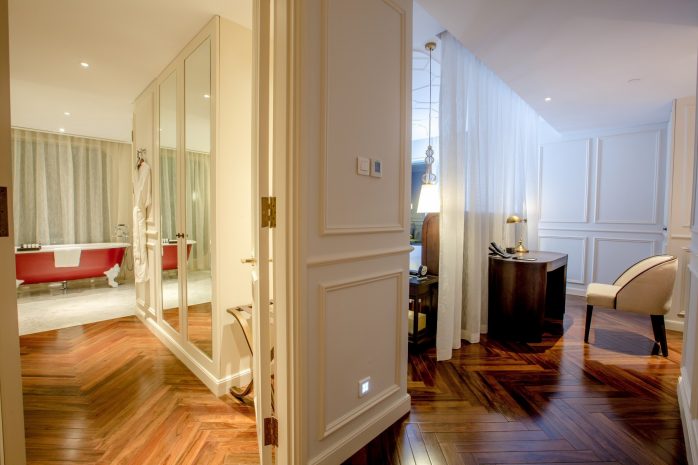
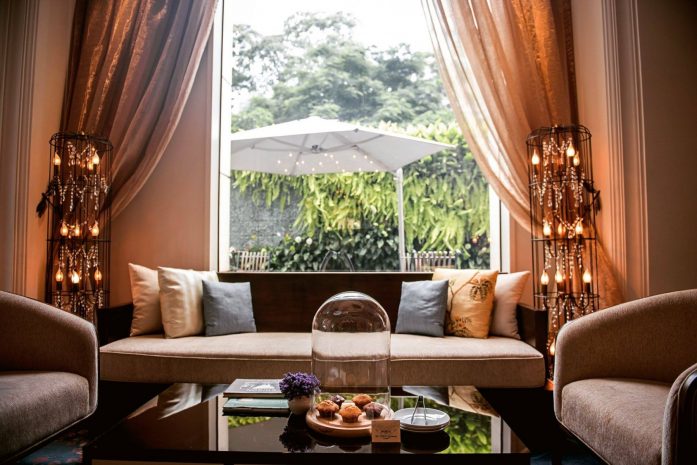
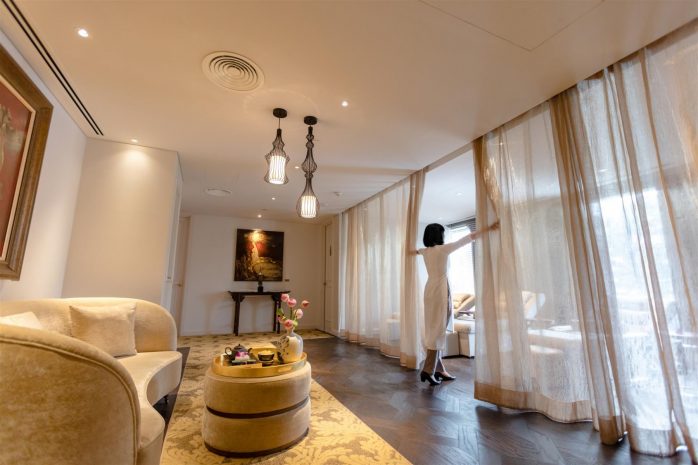
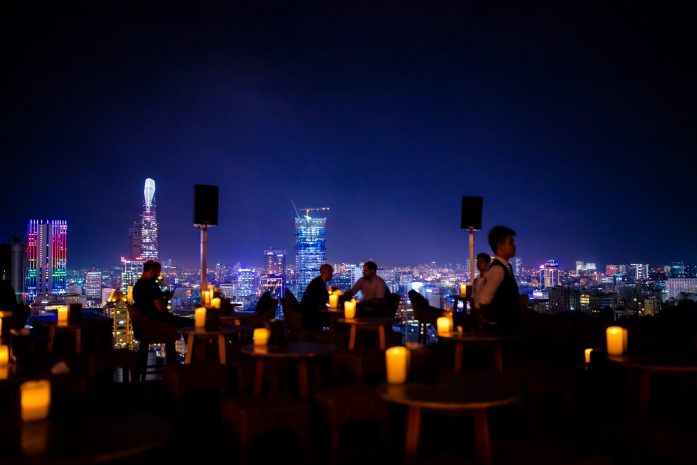
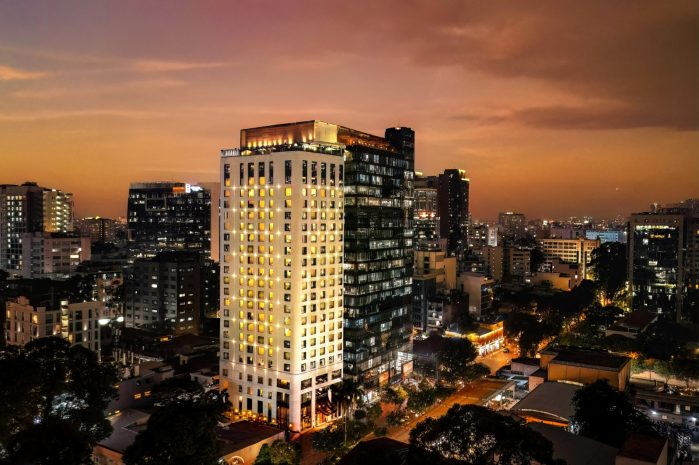
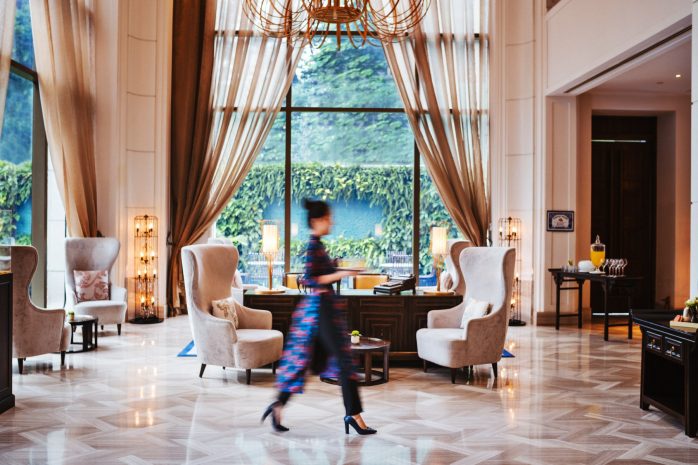
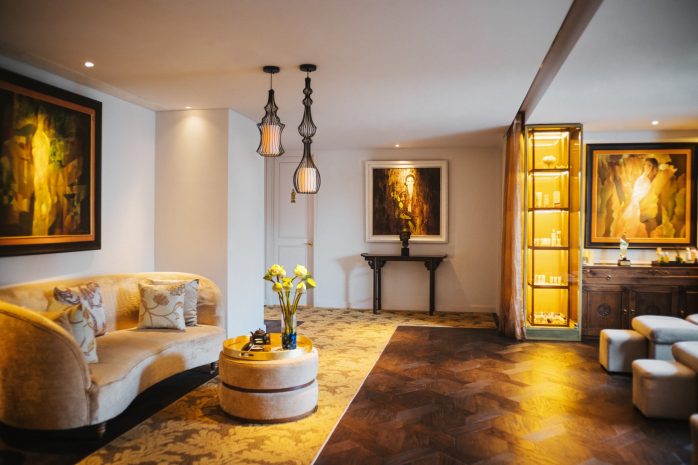
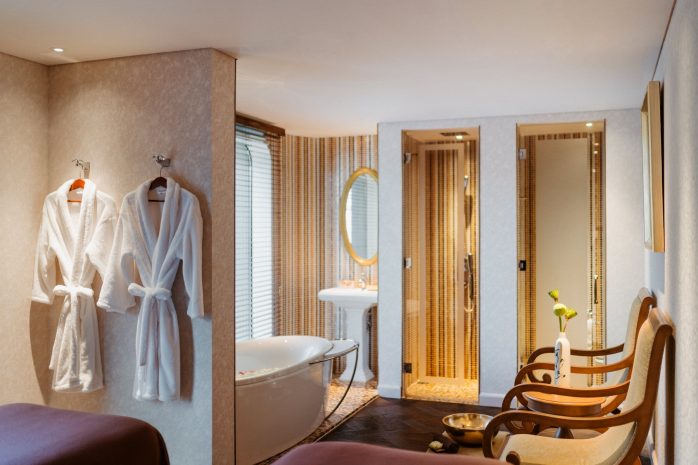
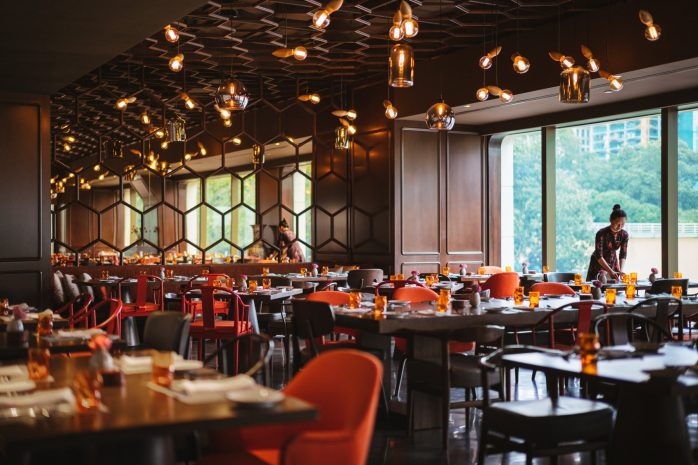
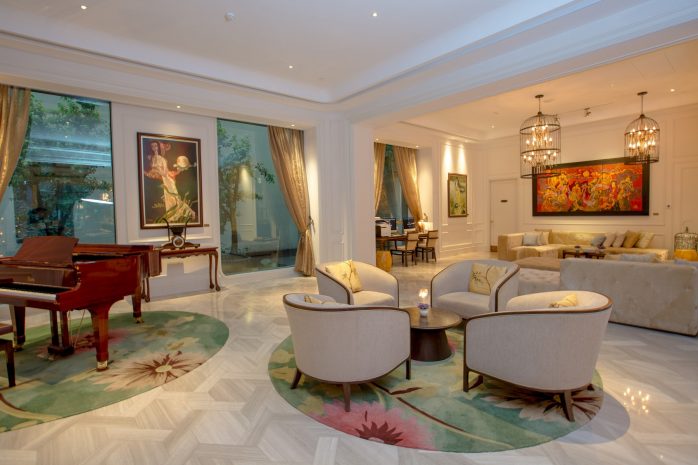
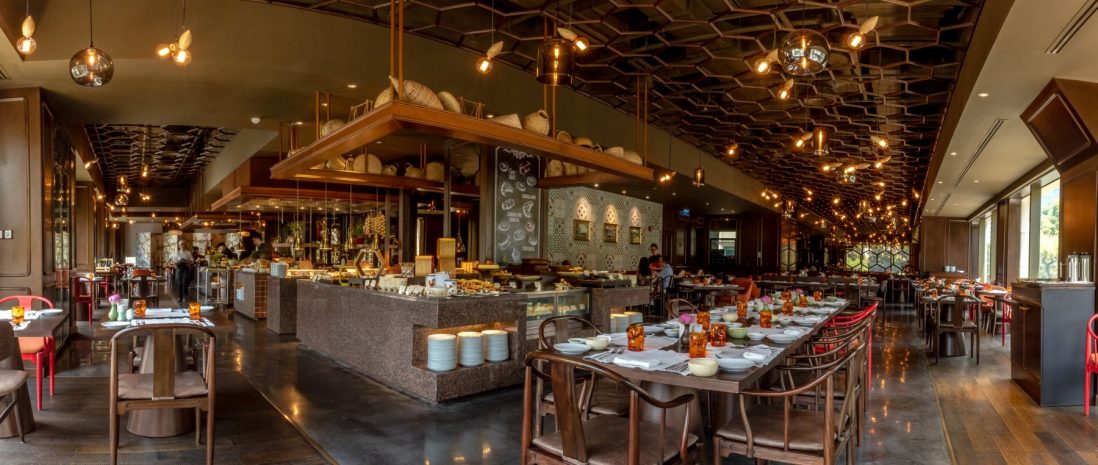
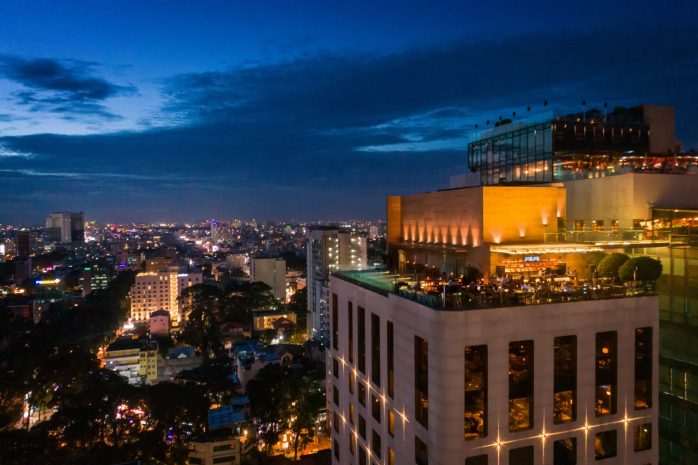
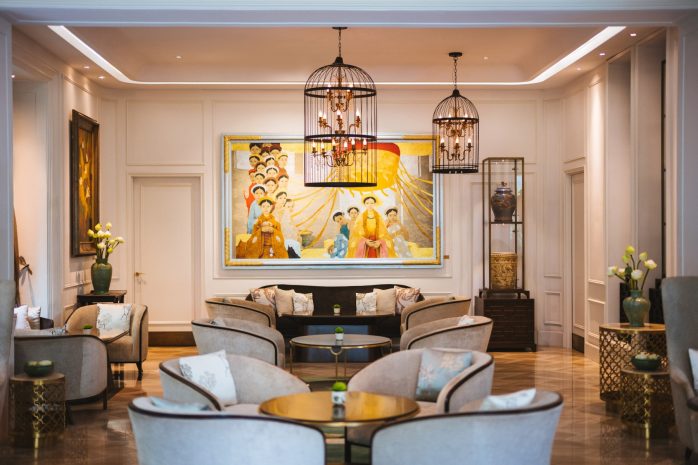
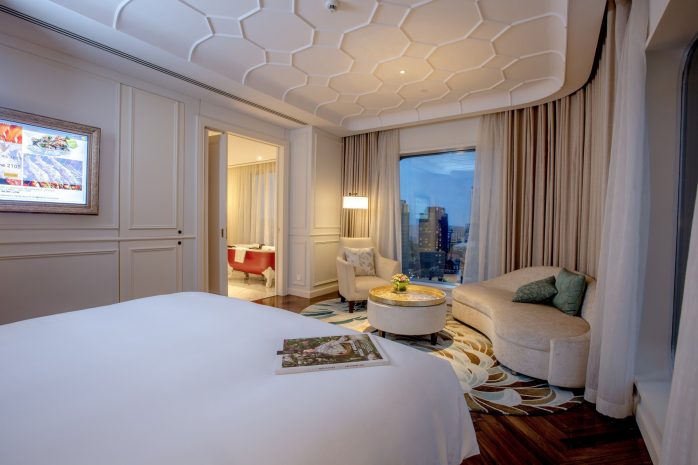
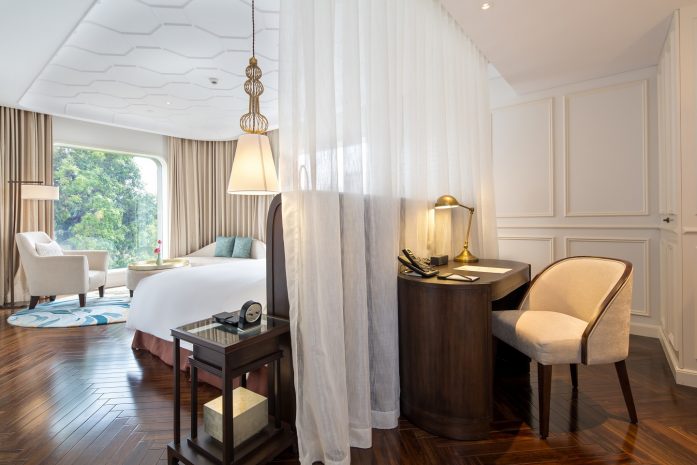
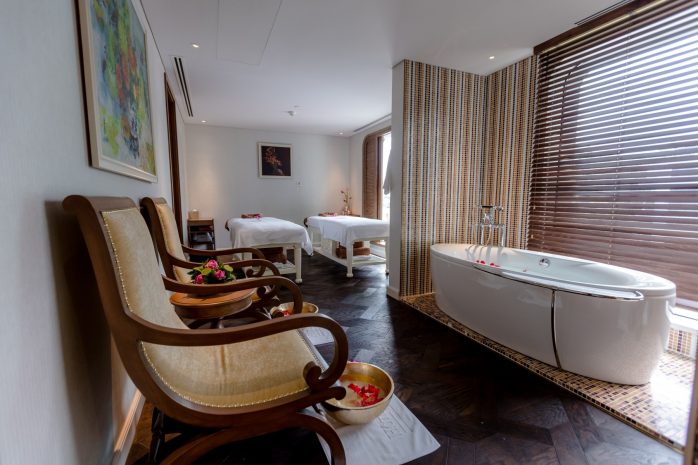
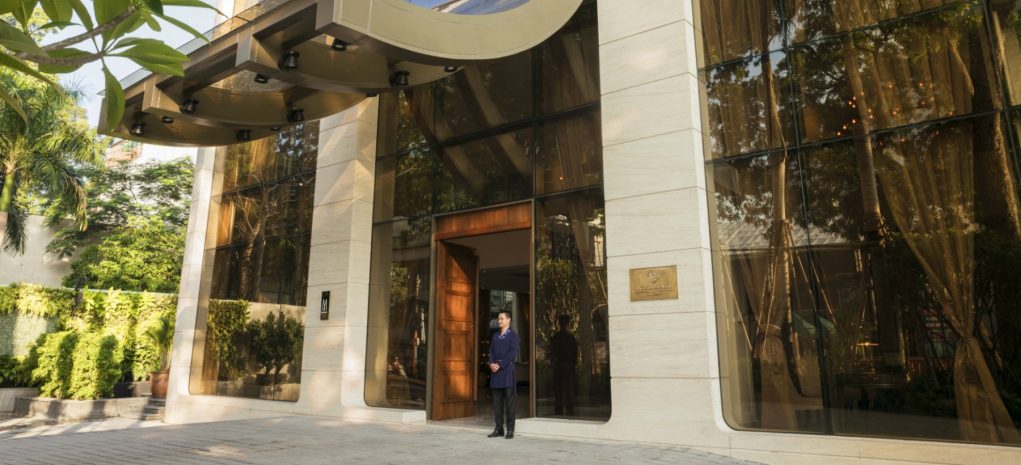
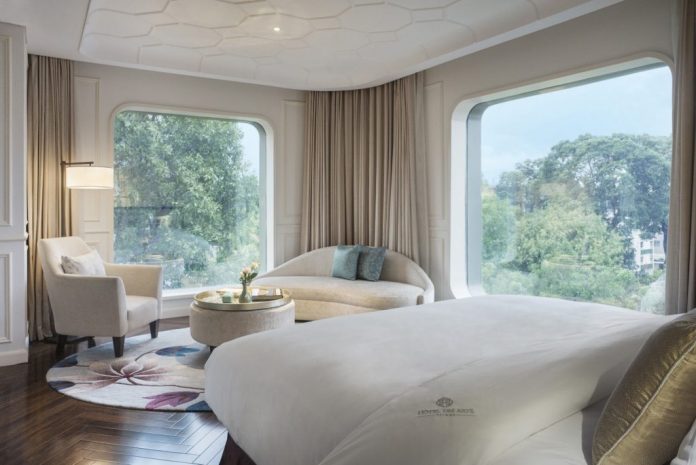
To make this journey even more fulfilling, Hôtel des Arts Saigon—with its luxurious ambiance and distinctive artistic design—offers the perfect starting point for discovering Saigon’s Chinese legacy, including this profoundly meaningful visit to the Guandi Temple.
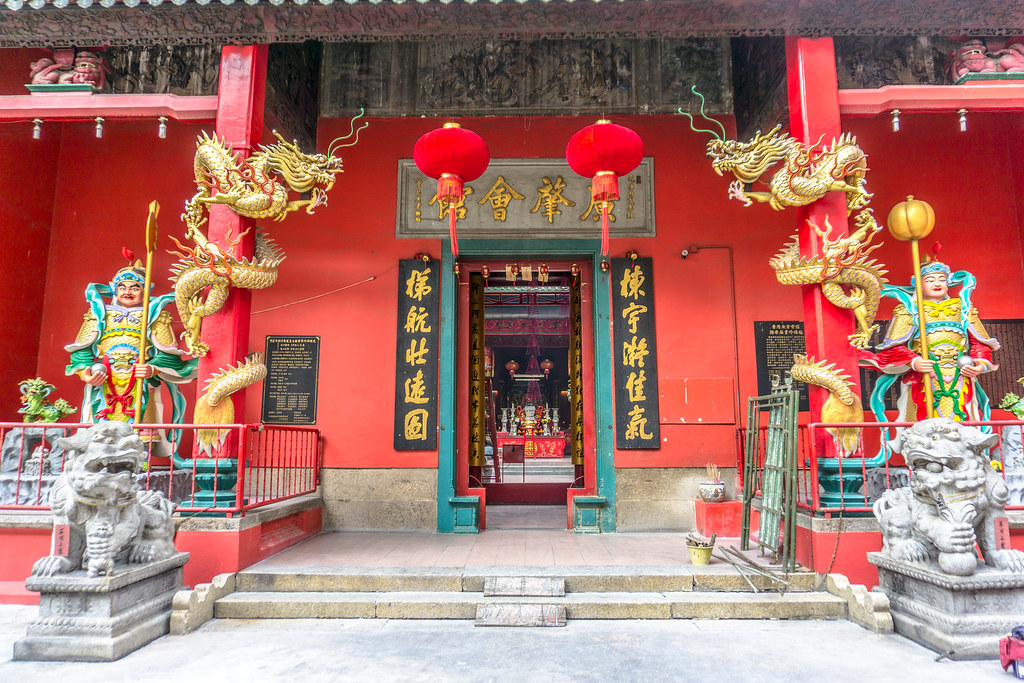
The Guandi Temple, or Nghia An Assembly Hall, is situated at 678 Nguyen Trai Street, Ward 11, District 5, Ho Chi Minh City. This historic structure was constructed in the 19th century by the Teochew (Chaozhou) Chinese community from Nghia An, China, who settled in Saigon.
Beyond its role as a place of worship, the temple functions as a vibrant cultural hub where fellow countrymen gather to strengthen bonds of kinship. Often regarded as a bridge connecting the past with the present, the Guandi Temple remains an essential stop on any exploration of Chợ Lớn, preserving the deep cultural and historical values of the Chinese community in Vietnam.
The principal deity enshrined here is Guan Sheng Di Jun, better known as Guan Yu (Quan Vũ), a legendary figure in Chinese history renowned for his virtues of Loyalty, Righteousness, Trustworthiness, and Courage. He is revered as the ultimate symbol of fidelity and honor.
In addition to Guan Gong, the temple honors Thien Hau Thanh Mau (the Queen of Heaven), Tai Bach Tinh Quan (the God of Wealth), and notably, the Red Hare Horse – Xich Tho, a sacred companion immortalized in tales of Guan Yu’s unwavering loyalty. Each statue and shrine carries profound symbolism, creating a sacred atmosphere that seamlessly blends faith and history.
Nghia An Assembly Hall is widely regarded as one of Saigon’s most intricately and magnificently designed temples, distinguished by the following remarkable features.
The hall exemplifies classic Teochew influences, shaped like the Chinese character for “nation” (国), with symmetrical wings encircling a central courtyard (skywell) that invites natural light and ventilation. One of its most striking elements is the exquisite wood carving artistry, depicting mythical creatures such as dragons, phoenixes, lions, and turtles.
The temple’s roof features three tiers, with the central section crowned by a large red orb guarded by twin dragons. These dragons and the red jewel symbolize power, protection, and cosmic harmony. Remarkably, the roof is assembled without nails; instead, vibrant ceramic figurines illustrate scenes from Chinese mythology, history, and folklore.
Upon entering the assembly hall, visitors are immediately captivated by the ornate raised signboard from the early 20th century, expressing deep reverence for the enshrined deities. Flanking the main entrance are two majestic pairs of stone qilin (kirin), standing as guardians to ward off evil spirits and safeguard the sacred space.
The central courtyard harmoniously blends nature and architecture, adorned with meticulously tended bonsai trees and a massive incense burner inscribed with calligraphy, where devotees offer their prayers. The front hall features altars dedicated to key deities such as the Jade Emperor, surrounded by poetic couplets and fresh fruit offerings that lend an air of solemnity and warmth.
The main hall, home to Guan Sheng Di Jun, presents a commanding statue of Guan Yu enthroned in regal splendor. Flanking him are shrines to Guan Ping and Zhou Cang, alongside Thiên Hậu and the God of Wealth. Every detail within the temple weaves a narrative of protection, fortune, and the profound bond between faith and daily life among Saigon’s Chinese community.
Throughout the hall, suspended wooden boat models evoke the seafaring journeys of Teochew migrants from China to Vietnam. Oversized incense coils hanging from the ceiling create an ethereal ambiance while representing ceaseless, ascending prayers. The intricate wood carvings on doors, pillars, and altars further enhance the hall’s timeless, antique beauty.
Nghia An Assembly Hall is open daily from 6:00 AM to 5:00 PM, with free admission. Parking for private vehicles costs approximately 5,000 VND. From Hôtel des Arts Saigon, the journey takes only 15–20 minutes by taxi or ride-hailing app such as Grab. Alternatively, bus routes 150 or 56 stop nearby, followed by a short walk.
Photography Tips at Nghia An Assembly Hall:
Notes:
Here are some must-visit landmarks when exploring Chinese heritage in Cho Lon:
Each of these nearby Chinese heritage sites boasts its own unique character—from distinctive architecture to sacred tranquility—together painting a vivid tapestry of the history and culture of Saigon’s Chinese community.
Discovering Cho Lon’s Chinese cultural heritage from Hôtel des Arts Saigon is a captivating half-day journey, immersing you in unique architecture while savoring distinctive local flavors. Here is a recommended morning itinerary:
With this itinerary, you will not only encounter temples and shrines steeped in Chinese tradition but also experience the lively cultural pulse of Cho Lon—all within a single, enriching morning.
Follow our hotel on: