
Loyalty Program
Unexpected experiences, generous benefits and exclusive rewards. Open the door to endless possibility and get ready to live life to the fullest with ALL, Accor's exceptional loyalty program.
Amid the lively pace of District 5, there is a place where the city seems to lower its volume the moment you step inside. Street sounds soften, giving way to the scent of incense, the glow of oil lamps, and layers of time settled into wood and stone.
Quan Am Pagoda, also known as the On Lang Assembly Hall, carries the quiet radiance of a living community heritage site, where faith, artistry, and the memory of migration come together beneath gently curved tiled roofs. For those seeking a more contemplative way to understand Saigon, this is a meaningful place to begin.
Situated in the heart of Cho Lon, the historic Chinatown of Saigon, the pagoda is easy to include alongside other cultural landmarks in the area. Inside, the atmosphere feels distinctly removed from the traffic outside, as if passing through a threshold into a quieter state of mind.
The On Lang Assembly Hall was established around the middle of the eighteenth century by Chinese migrants from Jinjiang in Fujian Province. The name On Lang refers to the historical name of their homeland, chosen as a way to preserve memory and identity while building a new life in Saigon. Over time, the complex underwent several restoration phases from the nineteenth century through the late twentieth century, carefully maintaining the distinctive Fujian architectural style with its curved rooflines and finely carved wooden details.
The name Quan Am Pagoda reflects the deep presence of Avalokitesvara, known locally as Quan The Am Bodhisattva, whose image has become a central spiritual anchor for worshippers. At the same time, the pagoda embodies the layered belief system of the community, with altars dedicated to other revered figures such as Thien Hau, the goddess associated with the sea, and Quan Thanh De Quan, who represents protection in everyday life. Artistically, the pagoda is rich with ceramic reliefs, gilded wooden columns, and intricate shard mosaics, forming a living gallery that has been officially recognized as a significant architectural heritage site of Ho Chi Minh City.
Quan Am Pagoda follows the traditional layout of a Fujian assembly hall, organized around open courtyards that draw in natural light and guide visitors gradually from the outer gate toward the inner sanctuaries. A palette of deep red, warm gold, and aged wood creates an atmosphere where time seems to settle gently across stone steps and calligraphic panels.
Within the main sanctuary, the serene white statue of Quan Am draws quiet attention. The figure holds a purification vase, a symbol of compassion and clarity amid worldly concerns. Above, large incense coils hang and burn slowly, marking time through patience as their fragrance fills the space.
Looking upward, visitors will notice richly decorated ceramic roof elements, with reliefs and symbolic creatures arranged in balanced compositions. Along the sides, smaller altars and shrines appear one after another, each with its own rhythm and light, allowing worshippers and visitors alike to find a prayer that resonates with their personal intentions.
If architecture forms the body of the pagoda, festivals provide its breath, keeping communal memory alive throughout the year.
The Quan Am Khai Kho ritual typically takes place in the early days of the lunar new year. Worshippers symbolically request good fortune for the year ahead, often using simple offerings and returning later in the year to express gratitude when hopes are fulfilled.
During the solar term known as Jing Zhe, some visitors may observe folk practices in nearby areas that reflect the desire to dispel misfortune and restore balance. These are informal expressions of popular belief rather than official rituals of the pagoda itself.
The birthdays of Quan Am, observed on the nineteenth day of the second, sixth, and eleventh lunar months, are marked with a solemn and respectful atmosphere. On these days, the pagoda often opens earlier and remains active later, welcoming those who come to offer flowers, tea, and incense while seeking calm and well being.
The celebration of Thien Hau, held around the twenty-third day of the third lunar month, is another important occasion for the community. Depending on the year, the surroundings may become livelier, reflecting shared cultural traditions passed down through generations.
At the beginning of the lunar year, many visitors also come to make offerings related to Thai Tue beliefs, seeking reassurance and steadiness for the months ahead. This practice is part of broader Chinese spiritual customs rather than a ritual unique to Quan Am Pagoda.
After spending time within the pagoda, stepping back into the streets of Cho Lon often feels different. The district spans much of District 5 and District 6 and is recognized as one of Southeast Asia’s most enduring Chinese communities. Rows of traditional shophouses, long established trade streets, and community halls reveal layers of history, while the food scene offers everything from hand pulled noodles to delicate Chinese desserts.
Not far away stands Thien Hau Temple, also known as the Tue Thanh Assembly Hall. Built in the mid eighteenth century, the temple is dedicated to Thien Hau, the protector of seafarers. Its Cantonese architectural style is expressed through ceramic rooftop reliefs and richly painted wooden columns. Inside, hundreds of hanging incense coils create a fragrant haze that feels both otherworldly and calming.
Binh Tay Market, commissioned by the merchant Quach Dam and inaugurated in the early twentieth century, remains a central commercial landmark of Cho Lon. The building blends Eastern and Western architectural elements, with layered tiled roofs, ventilation details, and a central clock tower. Today, it continues to function as a major wholesale hub, offering a wide range of goods from dried foods and spices to household items and textiles.
District 5 is known for Chinese flavors adapted to Saigon’s rhythm. Visitors can find dim sum served hot and delicate, herbal braised duck with clear yet aromatic broth, nourishing medicinal soups, and soft rice rolls inspired by Cantonese traditions. Each dish reflects a balance of comfort, heritage, and local nuance.
Quan Am Pagoda is easily reached by taxi or ride hailing services from central districts. For those traveling by motorbike, arriving earlier in the day makes parking easier, especially during busy periods in Cho Lon.
Early morning offers a calmer atmosphere, with gentle light filtering into the courtyards and lighter incense in the air. Visitors interested in communal energy may prefer to come on festival days, when the pagoda becomes more animated and closely connected to neighborhood life.
As a place of worship, modest attire is recommended. Clothing that covers the shoulders and knees is appropriate, and footwear should be easy to remove, as shoes are left outside before entering the inner areas.
For a respectful and comfortable visit, a few simple considerations are helpful.
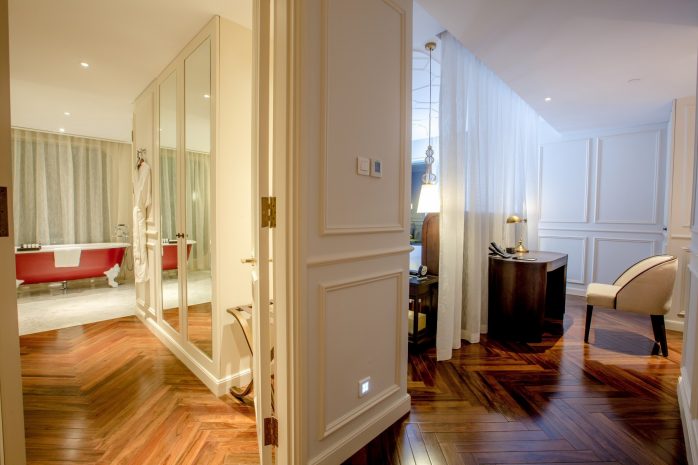
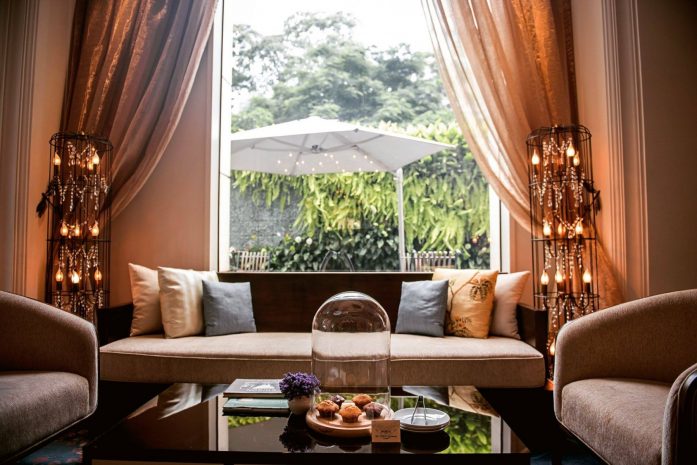
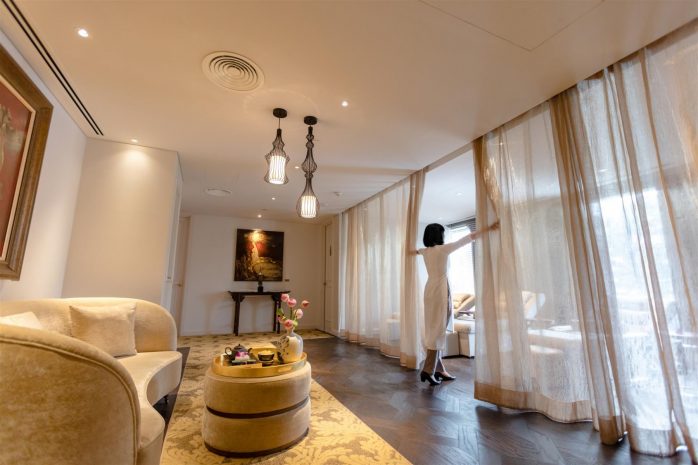
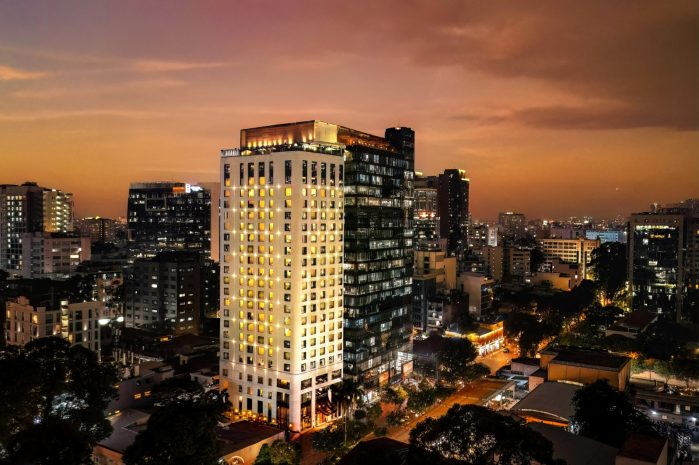
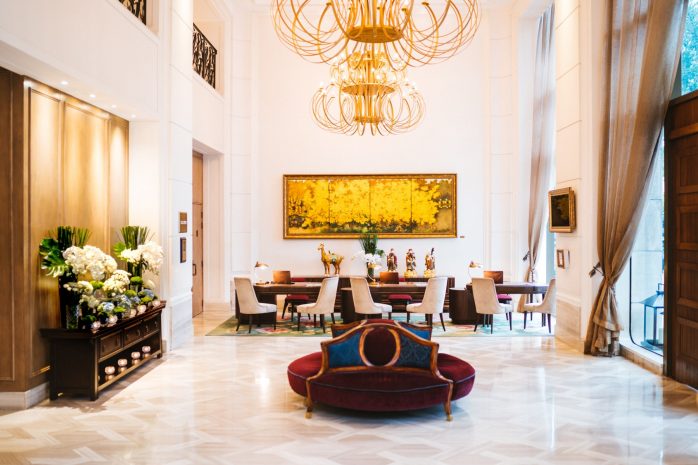
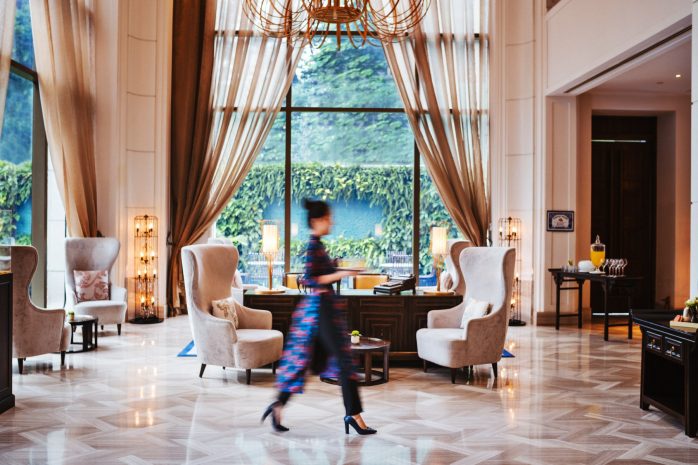
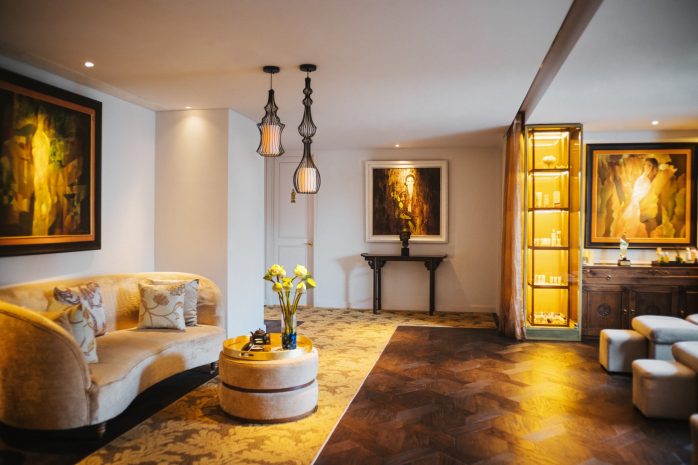
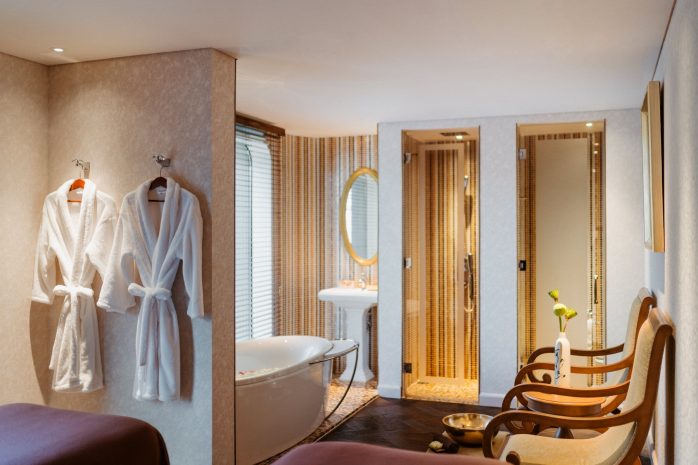
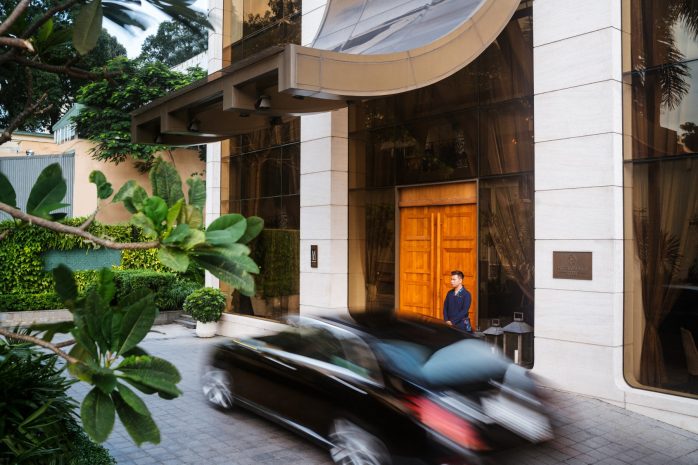
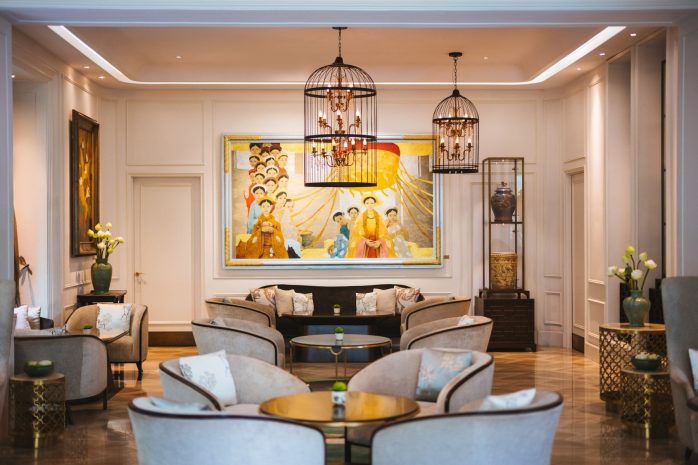
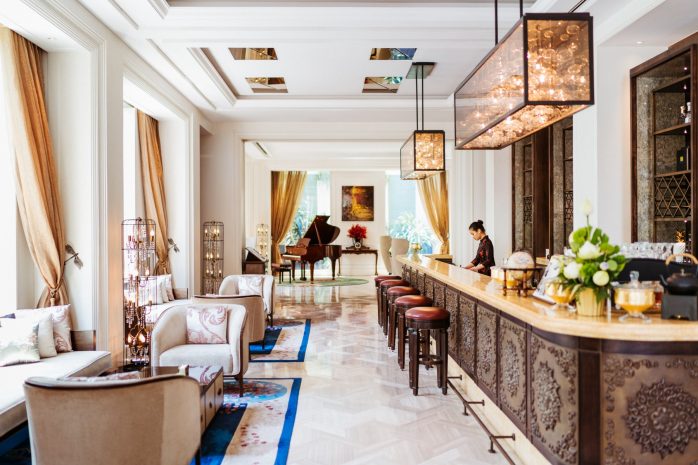
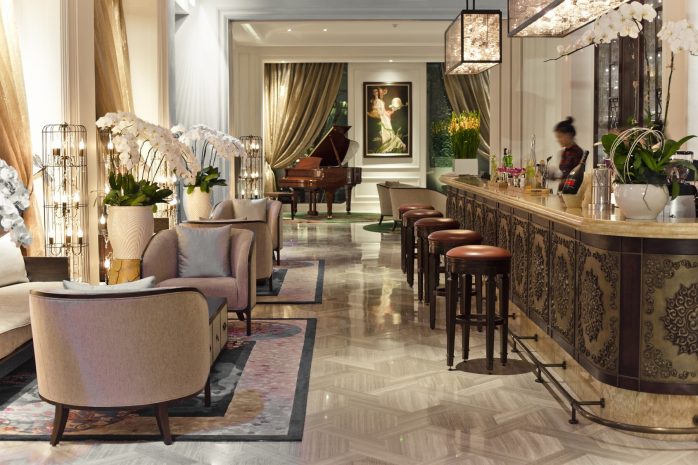
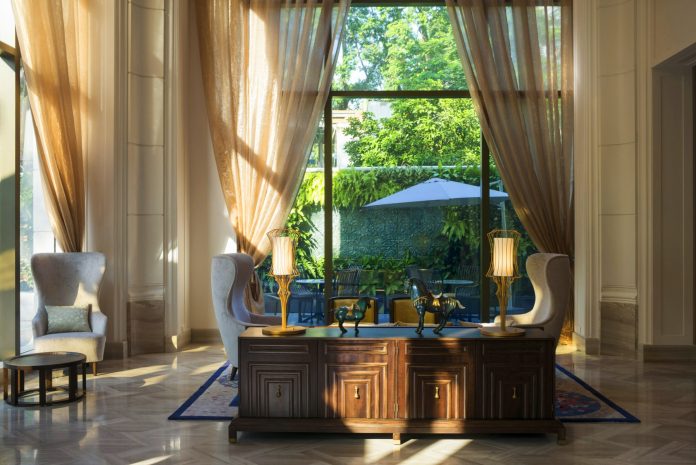
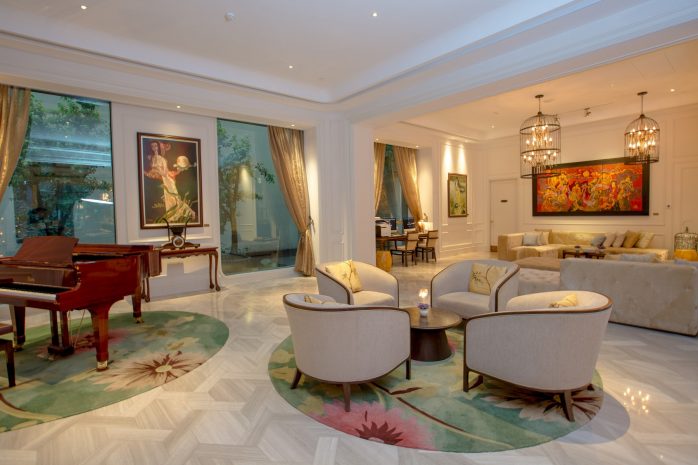
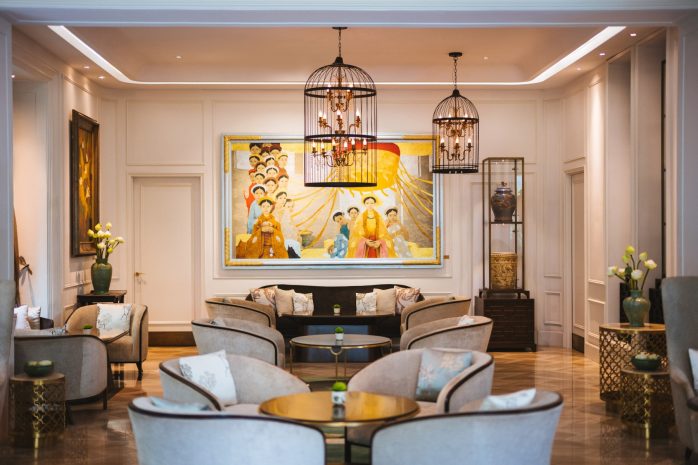
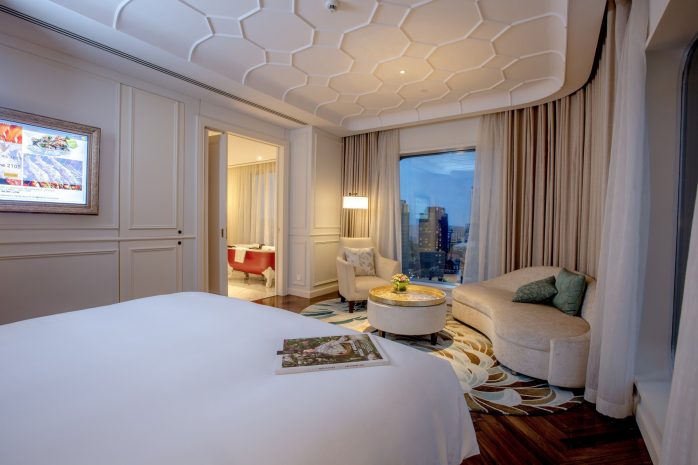
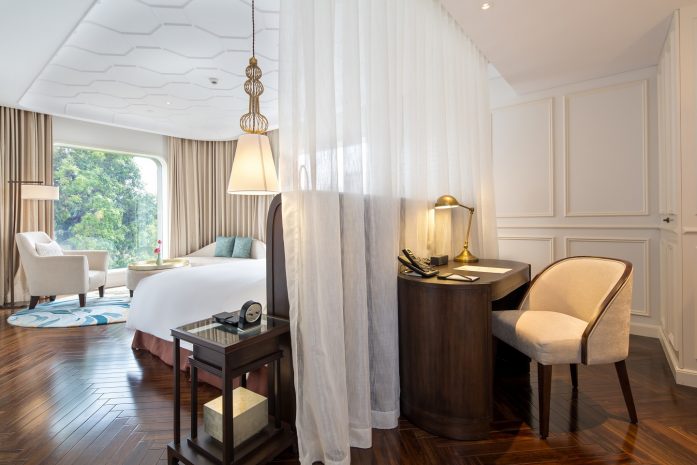
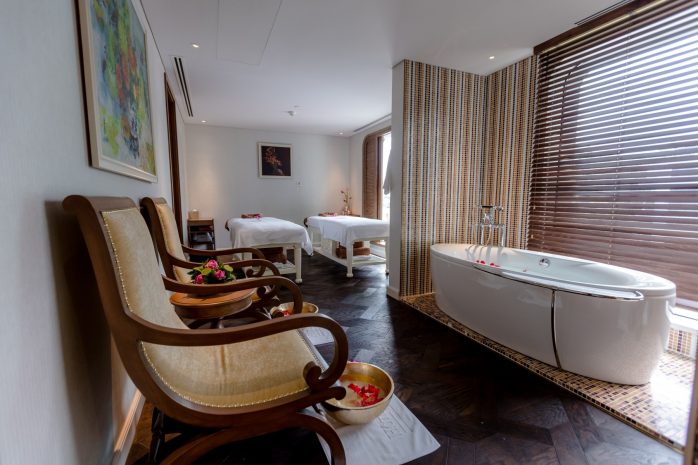
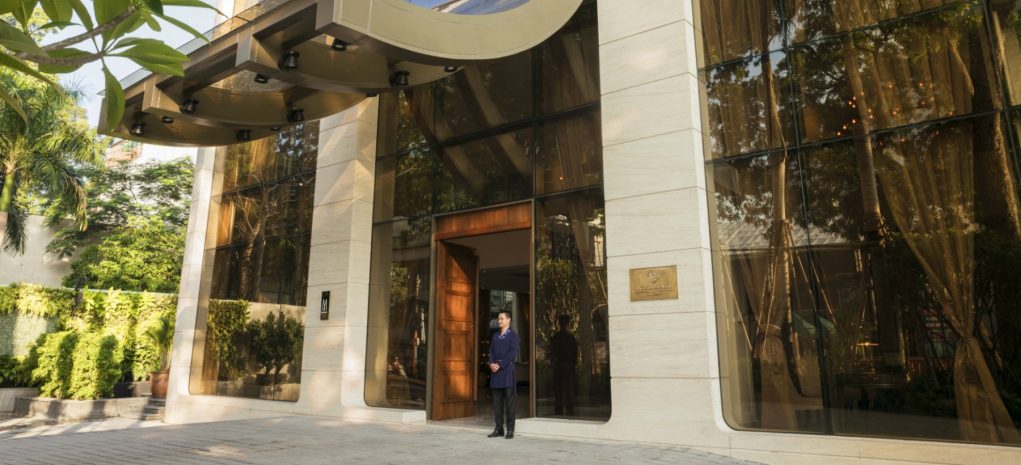
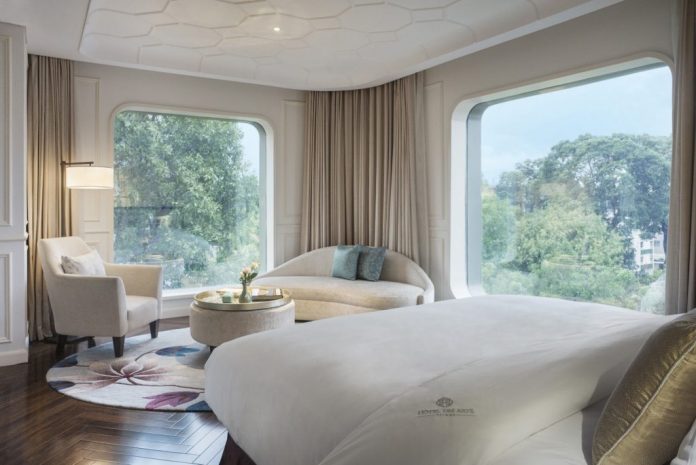
After exploring Cho Lon and its layers of cultural memory, a hotel with a strong sense of aesthetics can complete the experience. Hôtel des Arts Saigon, a member of the MGallery Collection under Accor, recalls the romance of early twentieth century Indochina through a blend of classic elegance and modern comfort.
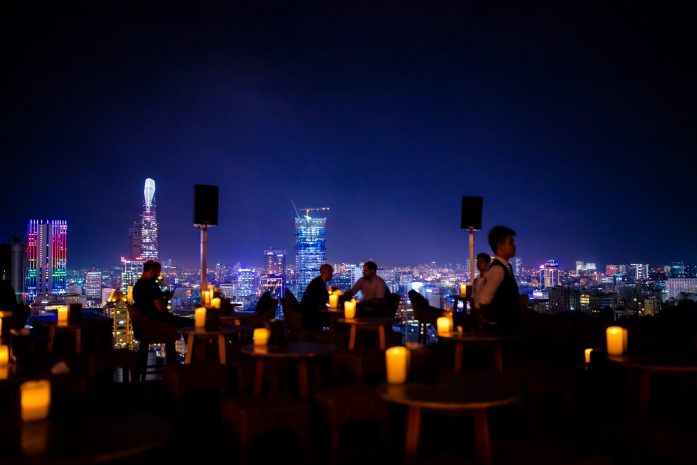
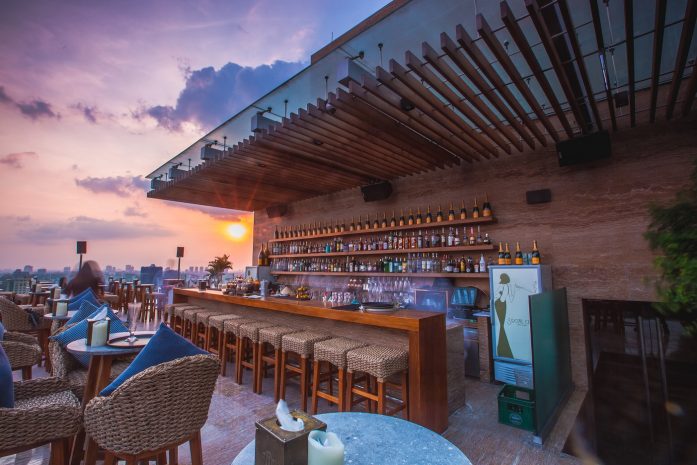
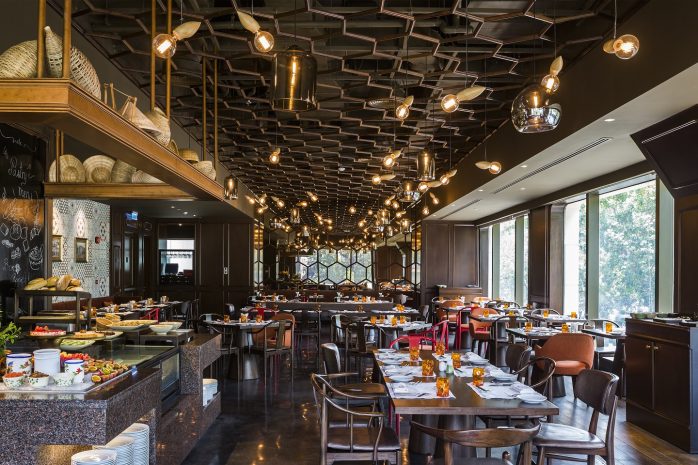
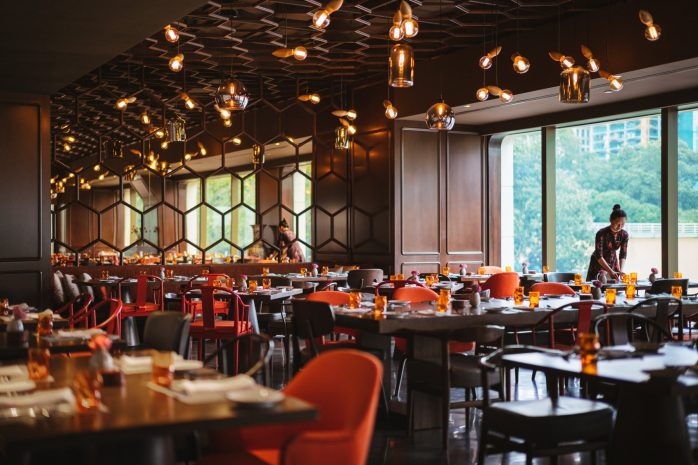
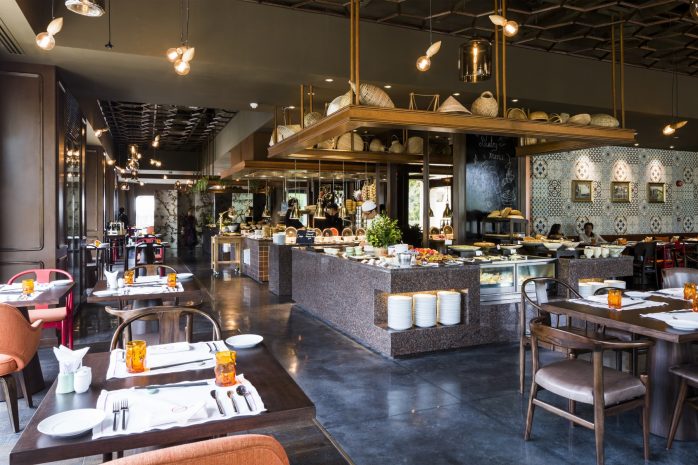
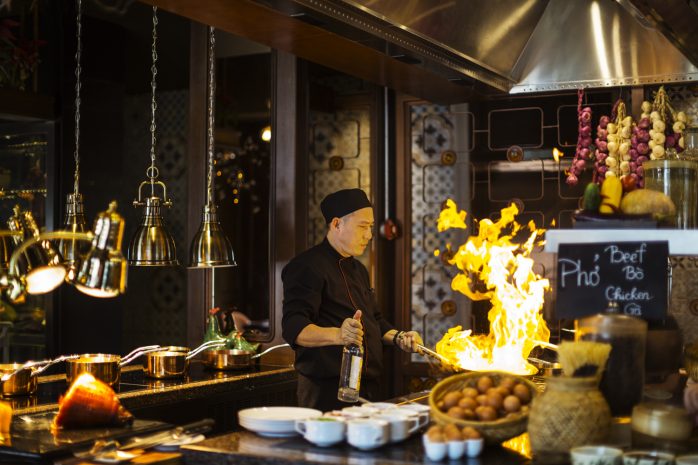
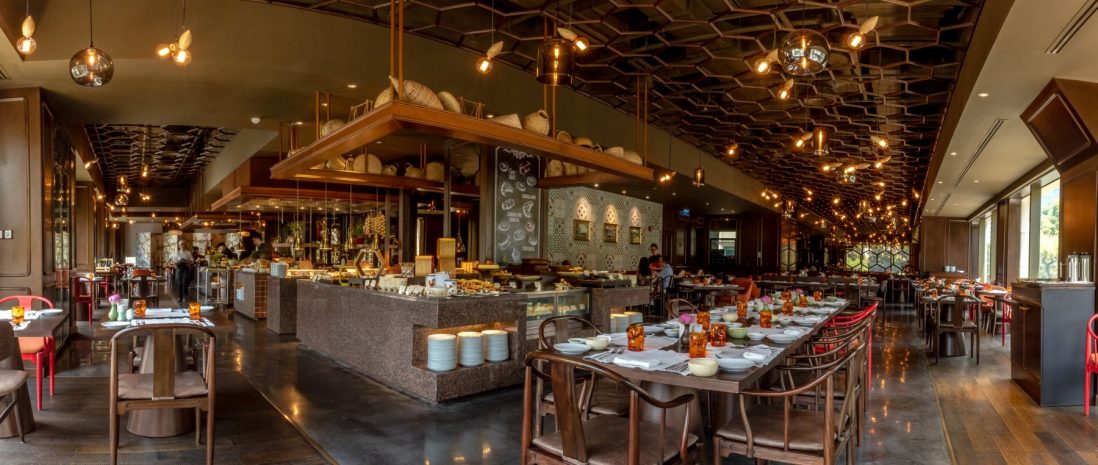
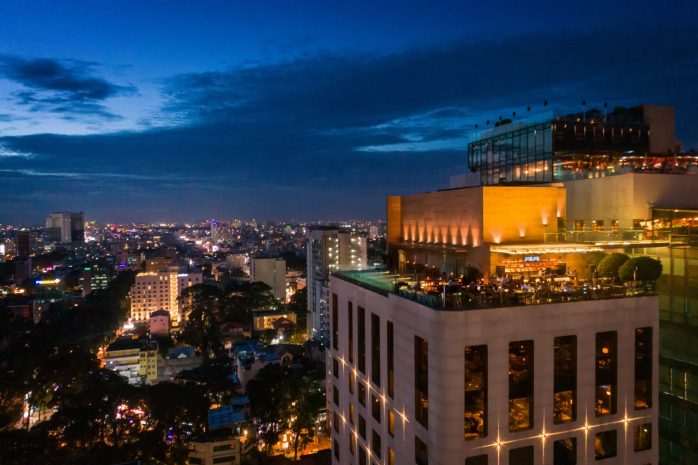
Art is woven throughout the hotel, from curated collections displayed along corridors to softly refined Art Deco interiors. Culinary experiences form an integral part of the journey, from the Asian inspired Saigon Kitchen and the piano accompanied afternoon tea at Cafe des Beaux Arts to sunset views at Social Club Rooftop Bar. As evening deepens, The Albion by Kirk Westaway offers a contemporary European dining experience shaped by the vision of Michelin starred chef Kirk Westaway.
For travelers wishing to weave spiritual discovery into a stay defined by culture and refinement, Hôtel des Arts Saigon provides a graceful anchor for exploring Saigon’s many layers.
Most visitors find that forty five to sixty minutes is ideal for appreciating the Fujian architecture, decorative reliefs, and worship spaces. On festival days, additional time may be needed due to higher visitor numbers.
No. Quan Am Pagoda welcomes visitors of all backgrounds who come with respect and an interest in local culture and belief.
Yes. The pagoda has long been a favored stop for international travelers exploring District 5 and Cho Lon.
Photography is generally permitted within the grounds. Visitors are asked to turn off flash, remain discreet, and avoid photographing worshippers closely during prayer as a sign of respect.
Follow our hotel on: