
Loyalty Program
Unexpected experiences, generous benefits and exclusive rewards. Open the door to endless possibility and get ready to live life to the fullest with ALL, Accor's exceptional loyalty program.
In a city shaped by movement and contrast, Saigon Square sits quietly along Nam Ky Khoi Nghia Street in District 1, moving to the rhythm of everyday commerce in Ho Chi Minh City. It is not a place designed for spectacle, nor one that invites lingering. Instead, it offers a brief, practical encounter with how the city trades and flows.
For guests staying at Hôtel des Arts Saigon, Saigon Square is best approached with intention rather than expectation. It is not a highlight to pursue, but a short moment of observation, one that adds texture to a stay before returning to calm, considered stillness.
Seen this way, Saigon Square becomes less about shopping, and more about perspective. For many international travellers, such functional stops hold value only when woven lightly into a well-paced itinerary, rather than approached as destinations in their own right.
Saigon Square is not a landmark in the traditional sense. It functions as a practical commercial space, shaped by efficiency rather than atmosphere. Visitors arrive with purpose, move through quickly, and leave once that purpose is met.
Its role within the city is clear. Saigon Square serves everyday demand for accessible fashion and casual goods in the city centre, operating alongside offices, hotels, and major streets. There is no narrative to follow and no attempt to frame commerce as experience.
In this way, it reflects an older, demand-driven retail model still present in many Southeast Asian cities, one focused on availability and speed rather than design or storytelling. This context explains both its continued presence and its clear limits.
Clarity matters here. Saigon Square is not a place to wander without direction. It rewards purpose and proportion.
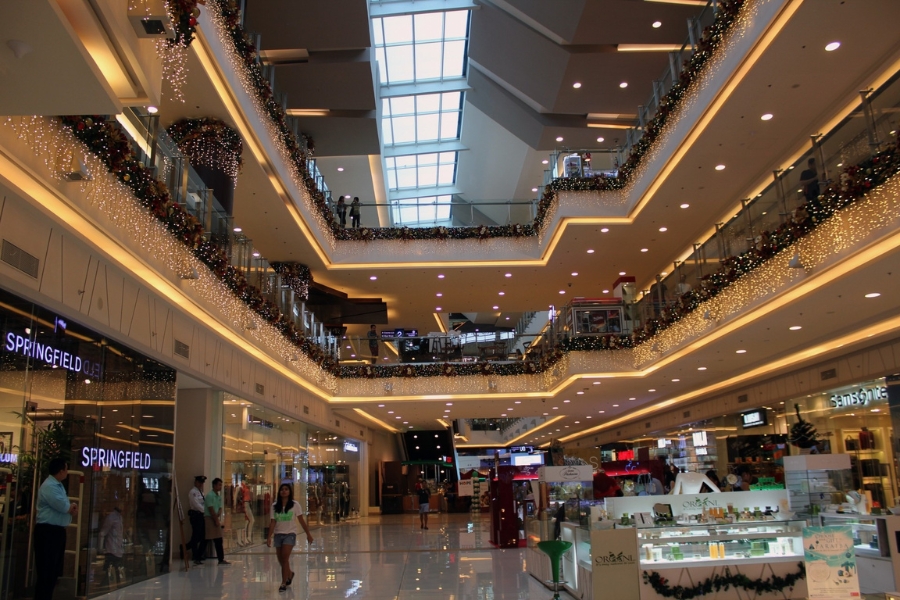
A visit of 20 to 40 minutes is usually sufficient. Beyond that, repetition sets in and the experience offers diminishing returns. Saigon Square is most meaningful when approached briefly and with purpose.
The environment at Saigon Square is enclosed and compact. Stalls sit close together, merchandise is presented for quick inspection, and interactions are direct. The pace remains steady and functional.
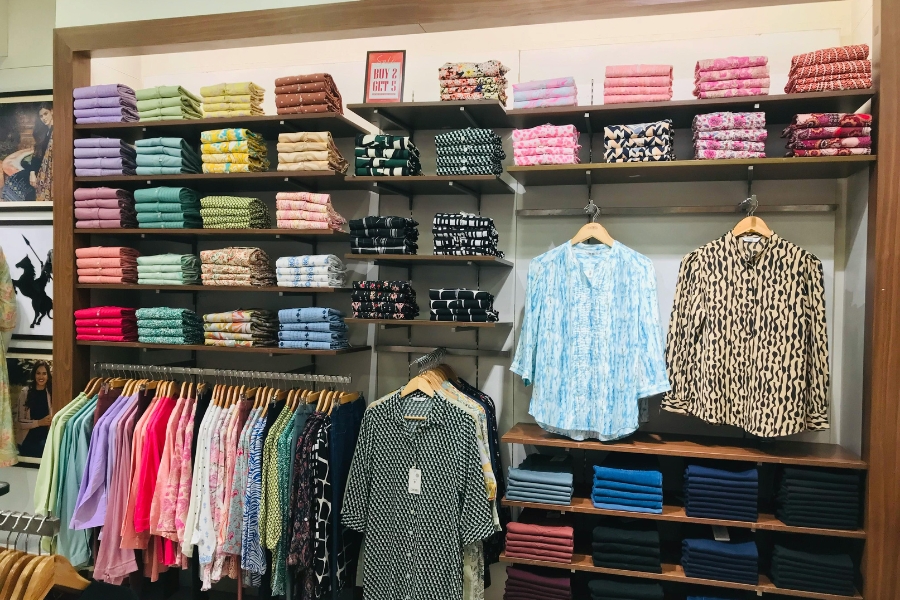
The offering centres on everyday items. Casual clothing, basic footwear, and small accessories dominate. Products are chosen for immediacy rather than longevity or narrative. What matters here is access and speed.
For those comfortable with this rhythm, the space feels uncomplicated. For others, it may feel abrupt. In either case, it delivers exactly what it intends to.
Saigon Square is not an experiential space. It does not invite exploration or sensory immersion. The layout prioritises movement rather than pause.
It is also not a curated environment. Products are presented for accessibility, not selection. There is no emphasis on provenance, craftsmanship, or thematic organisation.
Nor is it a place to slow down. Energy remains constant, and comfort is secondary to function. Understanding these limits helps place Saigon Square exactly where it belongs, as a practical part of the city’s commercial fabric.
A thoughtful visit begins with restraint. Enter with a clear purpose, even if that purpose is simply observation.
Move through the space with awareness rather than urgency. Notice how transactions unfold and how decisions are made quickly, without performance or persuasion. This simplicity is part of the insight.
Equally important is knowing when to leave. When movement begins to feel repetitive, the visit has served its role. Departing at that moment preserves the experience as intended, brief and proportionate.
After the focused energy of Saigon Square, the city begins to soften. Movement slows. Sound fades. The pace shifts from outward attention to quiet return.
At Hôtel des Arts Saigon, this transition feels natural. Located in District 3, just beyond the intensity of the city centre, the hotel offers a composed retreat above Saigon’s constant motion. Here, the atmosphere is calmer, more reflective, allowing the city to be felt without being overwhelming.
Art Deco interiors filter light gently through curated spaces. The rhythm changes. Moments unfold at their own pace. From this vantage point, the energy of Saigon remains close, yet comfortably held at a distance.
It is within this balance that Hôtel des Arts Saigon reveals its character. Not as a place removed from the city, but as one that frames it thoughtfully, allowing brief encounters like Saigon Square to settle into something more meaningful.
Saigon Square is not designed to appeal broadly, nor does it need to. Its value lies in clarity. It serves a purpose and operates within clear limits.
For the considered traveller, this honesty is what makes it relevant. When placed thoughtfully within a stay, Saigon Square becomes a small point of reference rather than a focal experience. Best approached with restraint and left behind without regret, it remains a quiet reflection of the city’s everyday rhythm.
Follow our hotel on: