
Loyalty Program
Unexpected experiences, generous benefits and exclusive rewards. Open the door to endless possibility and get ready to live life to the fullest with ALL, Accor's exceptional loyalty program.
Traveling to Vietnam during Tet invites a different kind of question. Not one of schedules or checklists, but of rhythm and intention. Some travelers remember it as a quietly beautiful time, rich in atmosphere and meaning. Others arrive unsure of what will remain open, what will pause, and how the country will feel during its most important celebration.
Tet, the Vietnamese Lunar New Year, is not shaped for spectacle. It is a moment when the country turns inward. Families gather. Familiar routines soften. Streets breathe a little more slowly. For visitors, this shift can feel unfamiliar at first, yet it offers a rare opportunity to observe Vietnam in a state of reflection, warmth, and renewal.
This guide is written from a local perspective, with an understanding of how Tet truly unfolds beyond headlines and assumptions. Here, you will discover what changes during the holiday, what remains quietly consistent, and how different travel styles align with this season. With thoughtful preparation and the right expectations, Tet reveals itself not as an obstacle, but as an invitation to experience Vietnam with greater depth and awareness.
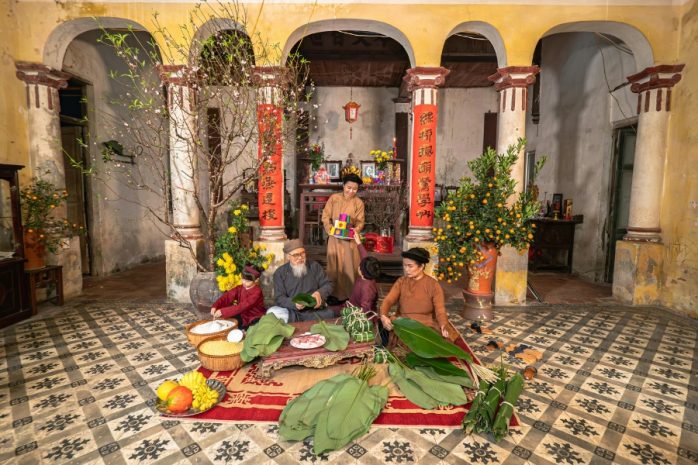
Tet, short for Tet Nguyen Dan, marks Vietnam’s Lunar New Year and holds a significance far beyond a public holiday. For Vietnamese people, Tet is a moment of return and renewal. It is when family bonds are reaffirmed, the past is acknowledged with gratitude, and the year ahead is welcomed with quiet optimism. If there is a single time when the emotional heart of Vietnam becomes most visible, it is Tet.
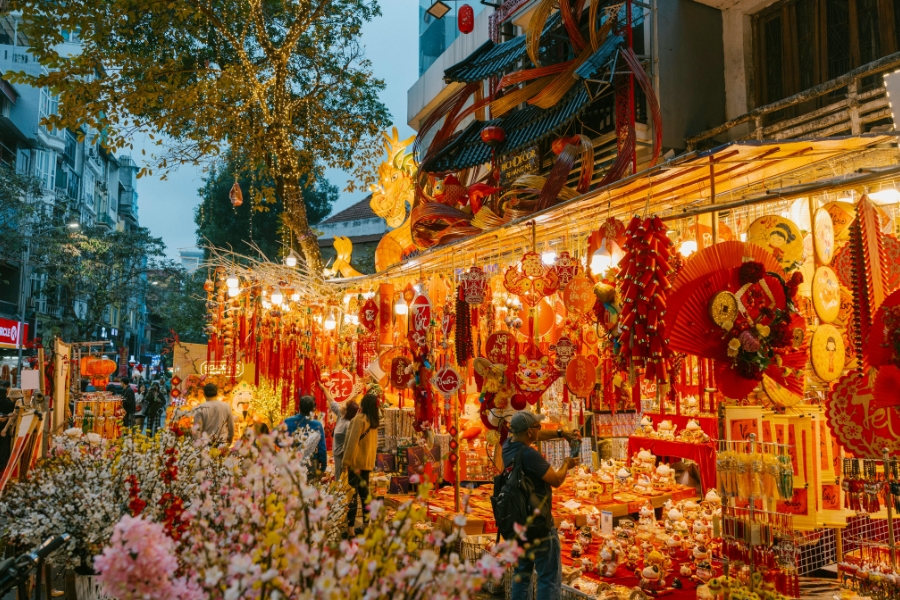
As the holiday approaches, subtle changes begin to unfold. Flower markets appear along sidewalks. Homes are carefully refreshed. Familiar dishes are prepared with patience and intention, often following recipes passed down through generations. There is a sense of anticipation in the air, felt equally in the energy of the cities and the stillness of the countryside. For visitors, this period offers a glimpse into a living tradition shaped by memory, ritual, and care.
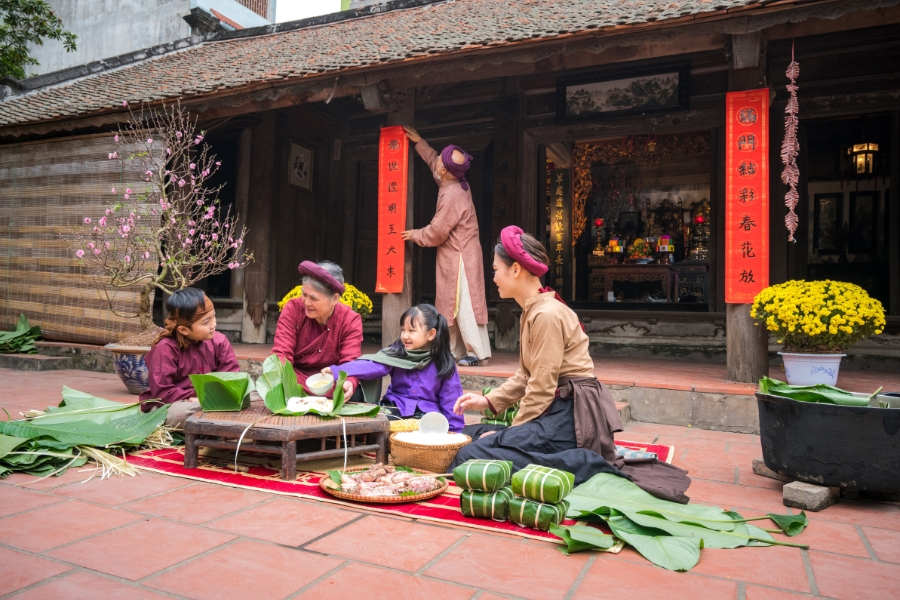
At its core, Tet is about coming home. Across the country, people travel back to their hometowns to be with parents, grandparents, and extended family. It is a time to honour ancestors, to express respect, and to begin the new year with wishes for health, harmony, and prosperity.
Daily routines soften. Work gives way to visits, shared meals, and moments of reflection. Families gather at temples, incense drifts through courtyards, and quiet conversations replace the usual pace of daily life. For travelers, Tet is not something to observe from a distance. It is an intimate moment in which the country turns inward, offering a rare view into its values and emotional rhythms.
Tet follows the lunar calendar, with dates that shift each year, usually falling between late January and mid February. While the official public holiday spans several days, the spirit of Tet extends well beyond that window.
The days leading up to Tet are lively and full of preparation. Travel increases, markets are busy, and anticipation builds. Once Tet begins, the atmosphere changes. Cities grow quieter, particularly during the first days, as families remain close to home. Gradually, life resumes its familiar rhythm, carrying with it the lingering sense of a new beginning. Understanding this natural flow helps travelers move through Tet with ease.
Tet is not designed for display. It is not marked by constant public events or performances. Instead, celebrations unfold within homes, among families, and in moments of shared tradition. Some local businesses pause, and social life shifts away from public spaces.
Yet it is precisely this inward focus that gives Tet its depth. Decorations are placed with intention rather than spectacle. Rituals are practiced for meaning, not attention. For travelers who appreciate authenticity and are comfortable with a gentler pace, Tet reveals a side of Vietnam that is both understated and profoundly moving, offering insight that few other moments of the year can provide.
Yes. Tet can be a remarkably rewarding time to travel to Vietnam, particularly for those drawn to culture, atmosphere, and moments that feel quietly meaningful.
During Tet, the country reveals a different side of itself. Daily routines soften. Public spaces feel lighter. Attention shifts away from movement and toward presence. Rather than pursuing a list of attractions, travelers are invited to observe, to listen, and to experience Vietnam as it enters a season of renewal.
The cities remain welcoming, though they feel gentler. Streets are adorned with seasonal flowers and subtle decorations, and there is a shared sense of optimism that lingers in the air. While some local businesses pause briefly, established hotels, resorts, and essential services continue to operate with care and consistency, allowing international visitors to move through the holiday with ease.
Tet suits travelers who appreciate atmosphere over pace. Moments unfold naturally, whether wandering past a flower market in the early morning or hearing temple bells carry softly through the city. With thoughtful planning and an openness to a slower rhythm, Tet becomes less about adjustment and more about discovery.
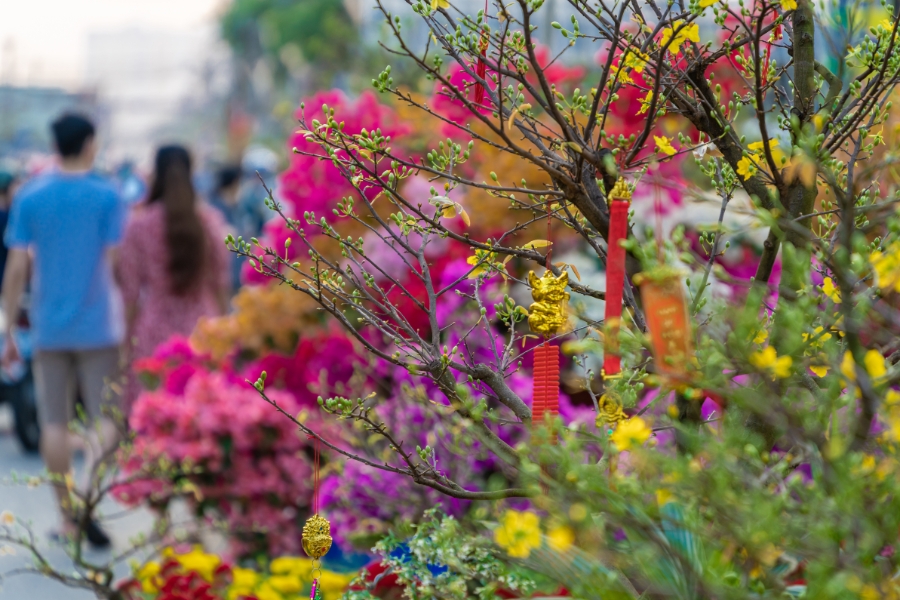
During Tet, Vietnam moves with a noticeably gentler rhythm. In cities known for their energy, mornings feel quieter and streets less hurried, particularly in the first days of the holiday. Many people remain at home, choosing presence over routine, allowing the pace of daily life to ease naturally.
For visitors, this shift brings a different quality to familiar places. Landmarks feel less crowded. Neighbourhoods reveal a more intimate character. The change is not about absence or closure, but about intention. Tet invites a pause, creating space for reflection as the year turns anew.
Tet is marked less by public display and more by private gatherings. Families come together around shared meals, visits, and long held traditions. As social life turns inward, some small local shops and eateries close temporarily, particularly those run by families observing the holiday.
At the same time, the cultural details become more visible. Homes are adorned with seasonal flowers. Incense drifts gently through temples and courtyards. These quiet rituals offer travelers a closer look at the values that shape Vietnamese life.
In the days leading up to Tet, travel across the country becomes busier as people return to their hometowns. Airports and stations fill with anticipation. Once Tet begins, the atmosphere changes. Cities feel lighter, and popular areas grow calmer.
While schedules may adjust and prices rise modestly during peak days, Vietnam remains accessible to those who plan ahead. For travelers staying at well established hotels or resorts, services continue with care and consistency, often enhanced by thoughtful seasonal touches. Movement slows, but the country remains open, offering a more considered way to experience its landscapes and cities.
Travelers often describe Tet as a journey shaped less by destinations and more by mindset. Those who arrive with clear expectations tend to remember the experience as quietly rewarding. Those who do not may find the rhythm unfamiliar. The distinction lies not in Tet itself, but in how one chooses to experience it.
Tet offers a perspective on Vietnam that feels rare and unfiltered. Rather than curated experiences, visitors encounter moments shaped by tradition and everyday life.
As the holiday begins, cities grow lighter and less congested. Movement slows, creating space to explore at a gentler pace.
For many travelers, comfort is defined by where they stay. International hotels and established resorts continue to operate with consistency during Tet, offering attentive service and thoughtful seasonal touches. In these settings, Tet feels calm and well supported rather than restrictive.
Tet also asks travelers to adjust familiar expectations. Social life turns inward, and some conveniences temporarily soften.
In the days leading up to Tet, travel demand increases noticeably.
The holiday also reshapes how time is spent. Tet is less suited to tightly packed itineraries.

From shared traveler reflections, Tet is not a time that rewards urgency. It favours awareness, preparation, and a willingness to move at a different pace. Those drawn to culture, calm surroundings, and meaningful observation often find Tet deeply memorable. Those seeking constant motion or late night energy may prefer another season.
Understanding this balance is what transforms Tet from a potential challenge into a considered and rewarding journey.
Plan ahead, earlier than usual
Choose hotels that offer continuity and care
Think ahead when it comes to dining
Expect fewer activities, and allow the atmosphere to lead
Time your arrival with intention
Observe with respect, and let the season unfold
Tet speaks most clearly to travelers who are drawn to atmosphere rather than urgency. Those who find pleasure in quiet streets, unhurried walks, and moments of observation often discover a deeper connection to Vietnam during this season. It is particularly well suited to travelers who appreciate cultural nuance, couples seeking a more contemplative escape, and guests who choose accommodations where comfort and care remain constant throughout the holiday.
For travelers accustomed to full schedules, spontaneous dining, and late night activity, Tet may feel unfamiliar at first. The rhythm shifts, and some conveniences soften. Yet even for these visitors, Tet can still offer a rewarding experience when approached with intention. Choosing the right destination, allowing space for rest, and leaning into comfort rather than activity can transform the holiday into something quietly restorative.
Ultimately, Tet is less about fitting more into a journey and more about experiencing Vietnam with presence. For those open to a different pace, it can become one of the most memorable moments to discover the country.


Follow our hotel on: