
Loyalty Program
Unexpected experiences, generous benefits and exclusive rewards. Open the door to endless possibility and get ready to live life to the fullest with ALL, Accor's exceptional loyalty program.
Tucked away within the vibrant rhythm of Ho Chi Minh City, the Vietnamese Traditional Medicine Museum, commonly known as FITO, feels like a quiet repository of heritage. With intricately carved wooden details and the gentle scent of medicinal herbs lingering in the air, the museum invites visitors on a journey back through centuries of traditional healing knowledge.
Whether you are a history enthusiast or simply seeking a distinctive cultural experience, this guide offers everything you need for a thoughtful and rewarding visit to FITO.
Located on a quiet street in District 10, the FITO Museum feels pleasantly removed from the city’s usual pace. Stepping through its wooden doors is like crossing into a more contemplative world, where the legacy of Vietnamese traditional medicine unfolds at an unhurried rhythm.
In a city defined by constant motion, FITO offers a moment of pause. It is a place where visitors can engage with the enduring wisdom of Vietnamese medical traditions, shaped and refined over thousands of years.
The name FITO is commonly associated with the prefix phyto, derived from Greek, referring to plants and herbs. This association reflects the central role of natural ingredients in traditional Vietnamese medicine.
The museum was founded and is operated by Mr. Le Khac Tam, Chairman of Fito Pharma. After decades working in the pharmaceutical field, he devoted more than twenty years to collecting artifacts related to traditional medicine, driven by a desire to preserve a heritage at risk of fading.
With its international resonance, the name FITO is easy for overseas visitors to remember. It conveys the idea of a traditional medical system with global relevance, where ancient knowledge and modern understanding exist in thoughtful balance.
From District 3, visitors can reach FITO by car, motorbike, taxi, or ride hailing services such as Grab, with a typical journey time of around 10 to 15 minutes, depending on traffic. Common routes pass through Cach Mang Thang Tam or Nguyen Dinh Chieu streets before connecting to Cao Thang or Ba Thang Hai, then continuing toward Hoang Du Khuong.
For those interested in a more local experience, public buses offer an economical option, with fares usually around VND 7,000 per ride and travel times of approximately 20 to 30 minutes. Bus routes such as 13, 65, or 103 serve areas near Cach Mang Thang Tam Street. From stops close to Hoa Hung or Lan Anh Club, the museum is a short walk of about five to ten minutes.
The museum visit follows a reverse chronological flow across approximately eighteen exhibition rooms spread over six levels, guiding visitors steadily back through time.
The journey begins with the ancestral altar honoring the founders of traditional medicine, particularly Tue Tinh and Hai Thuong Lan Ong. Intricately carved wooden panels illustrate key moments in Vietnamese medical history, while elevated viewpoints offer a closer look at the building’s traditional tiled rooflines.
This level presents a diverse collection of medicinal herbs, animal based remedies, and mineral substances historically used in healing practices. Highlights include rare Han Nom manuscripts and handwritten medical texts that preserve centuries old treatment knowledge.
Here, visitors encounter traditional grinding tools, stone and wooden mortars, and metal implements once used to prepare remedies. A notable feature is the collection of ceramic medicine kettles from various historical periods, reflecting the cultural diversity of Vietnamese medicinal practices.
This floor recreates the atmosphere of an old style herbal pharmacy, complete with wooden drawers labeled for individual ingredients. Carved panels depict scenes of physicians examining patients, offering a vivid sense of how traditional medicine functioned within daily life.
At the end of the visit, guests are invited to enjoy complimentary herbal tea. Opportunities are also available to try on historical physician attire for photographs, experiment with traditional grinding tools, and browse a selection of herbal wellness products suitable as thoughtful gifts.
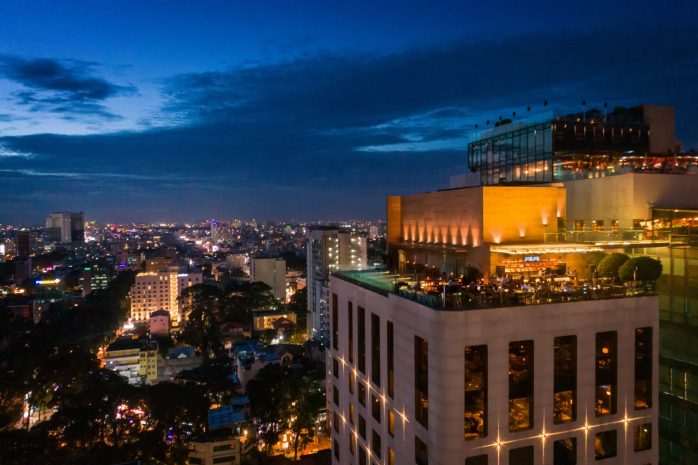
After exploring FITO, The Albion by Kirk Westaway at Hôtel des Arts Saigon offers an elegant transition from cultural discovery to refined dining. Located on the twenty third floor, the restaurant pairs sweeping city views with contemporary European cuisine guided by Michelin starred chef Kirk Westaway. Art Deco interiors and a seasonal menu create a dining experience that balances precision, artistry, and emotion.
After moving through multiple exhibition levels, a coffee or tea break nearby can be a welcome pause.
If you wish to extend your journey, the area around FITO reveals several destinations that reflect the character of Saigon.
The FITO Museum appeals to a wide range of visitors, particularly those seeking cultural depth within an urban setting:
For a smooth and enriching visit, a few preparations can make all the difference.
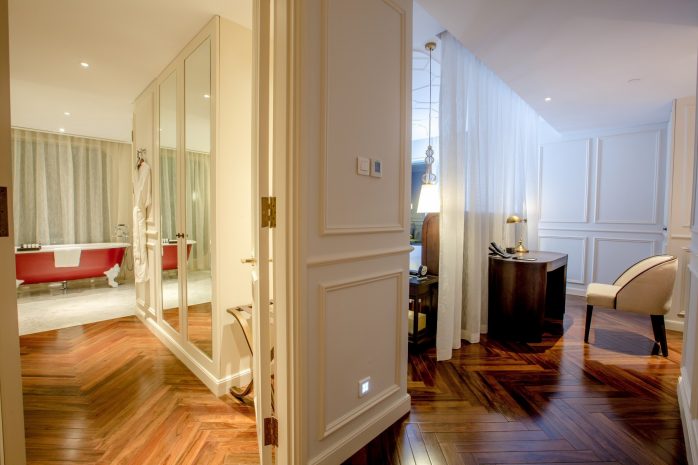
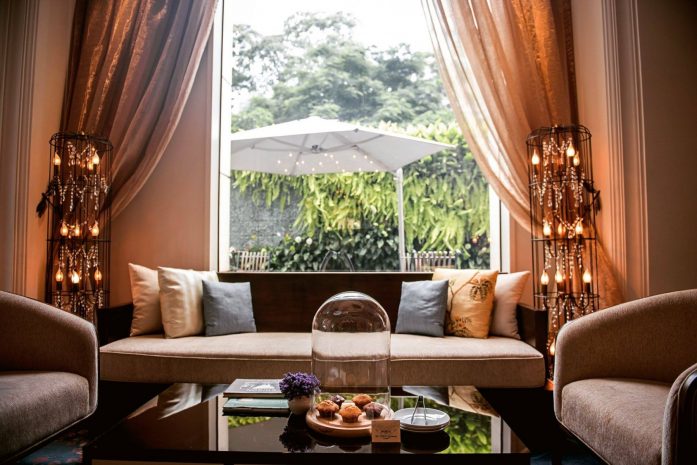
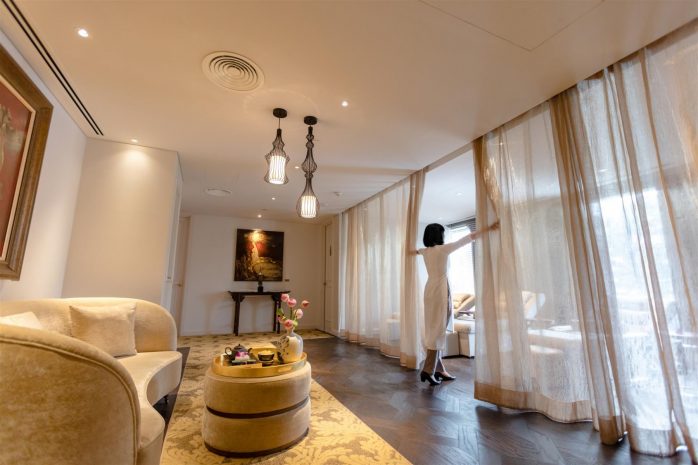
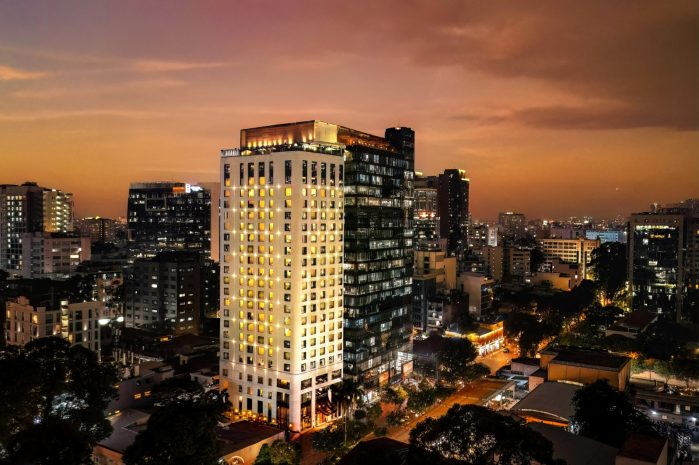
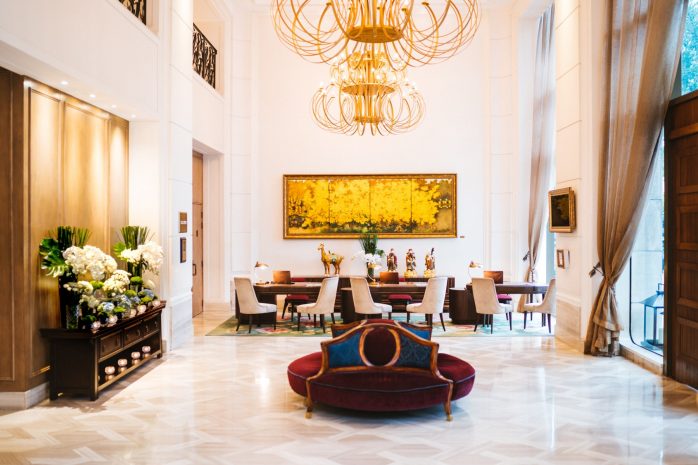
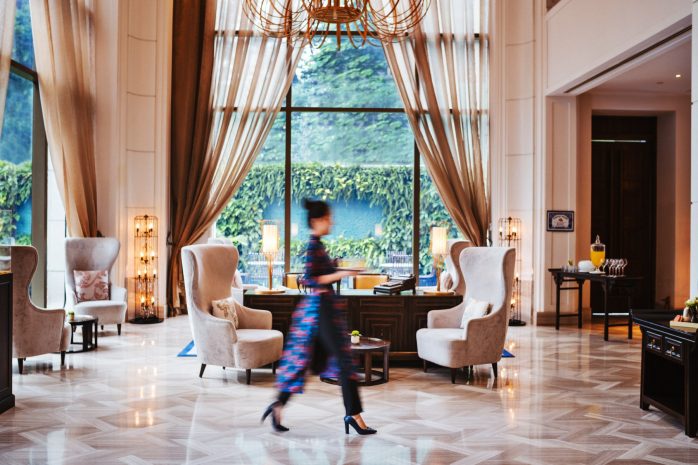
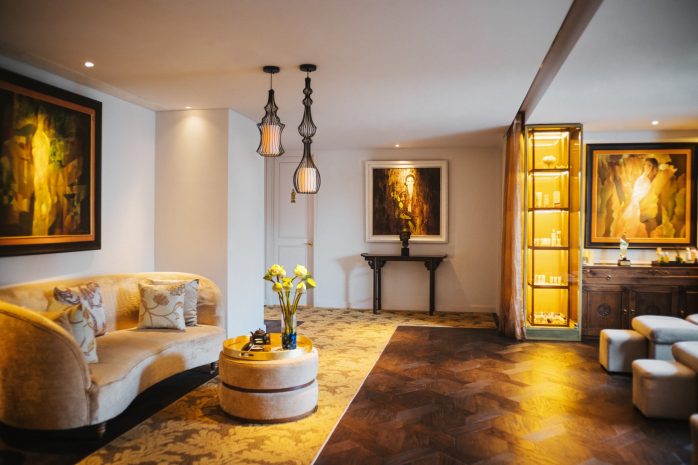
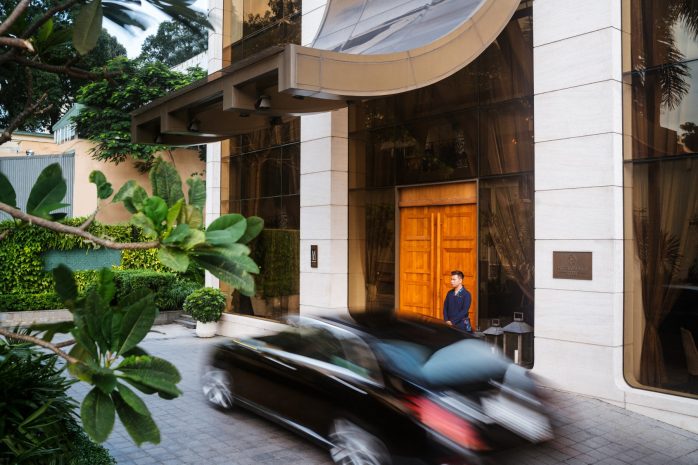
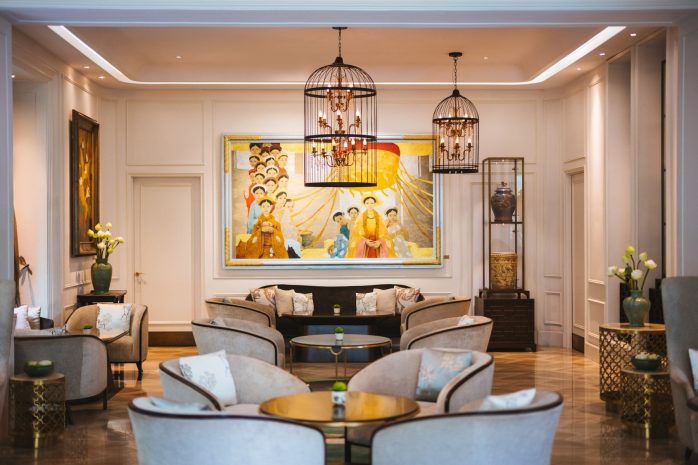
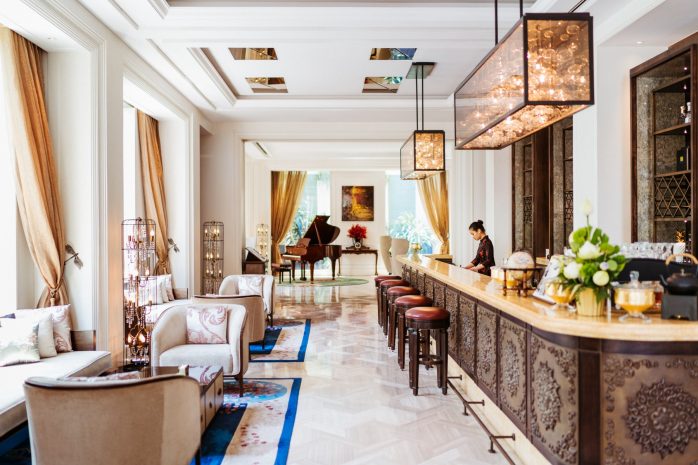
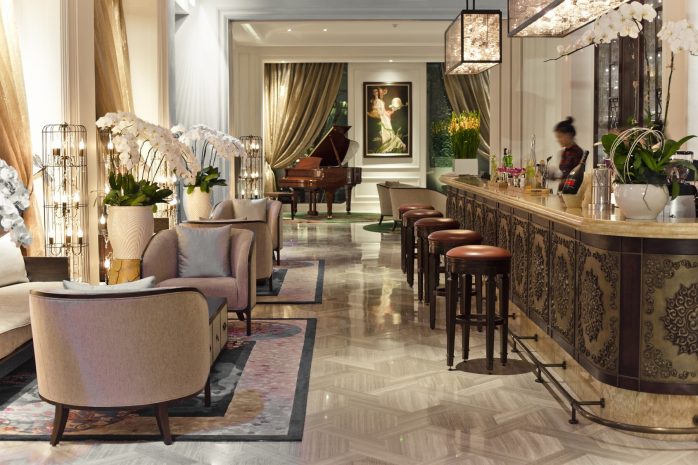
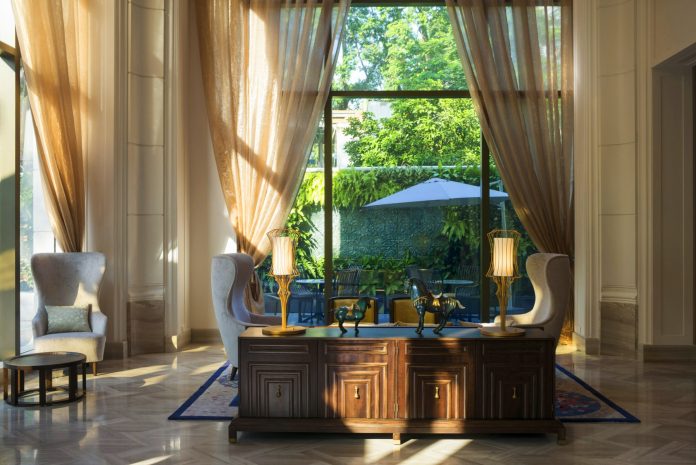
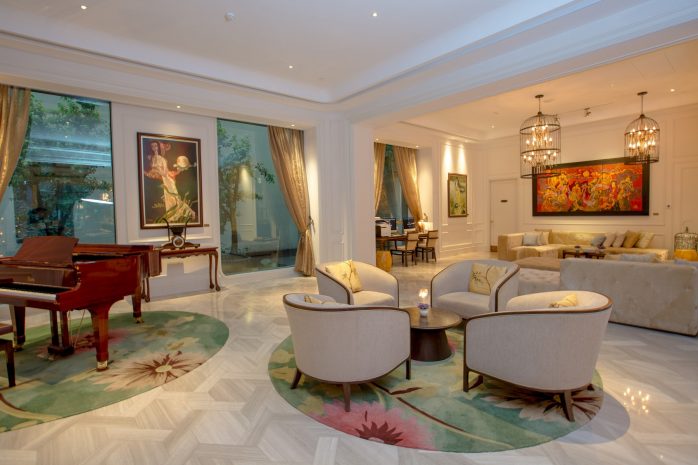
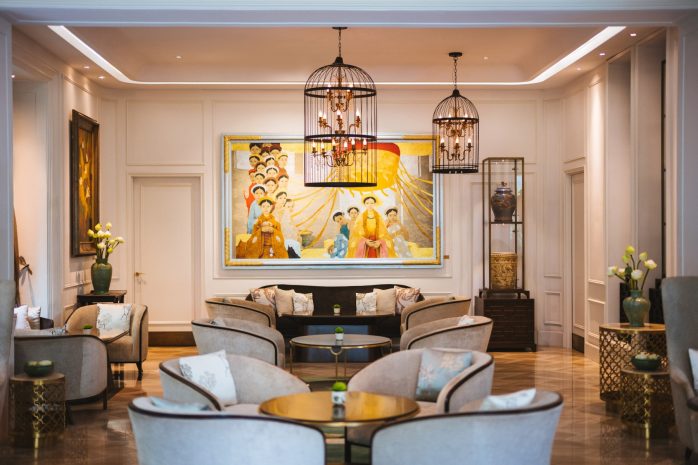
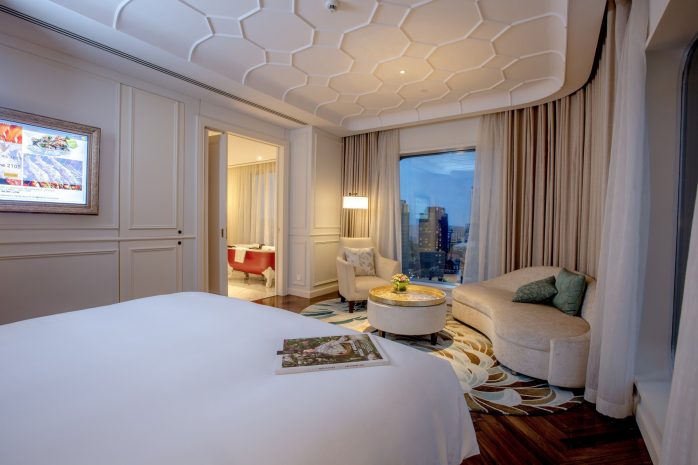
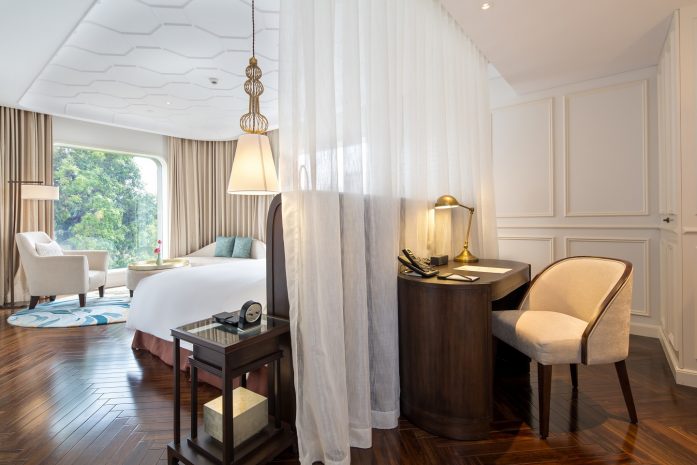
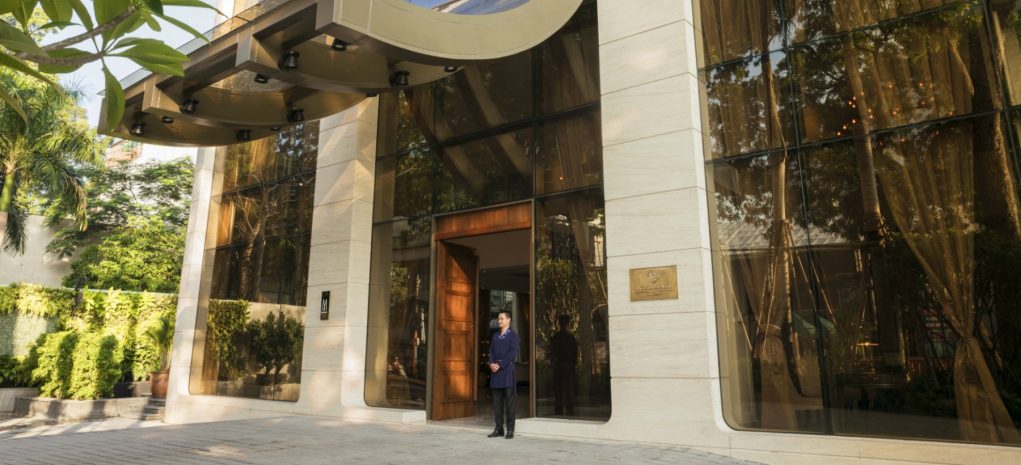
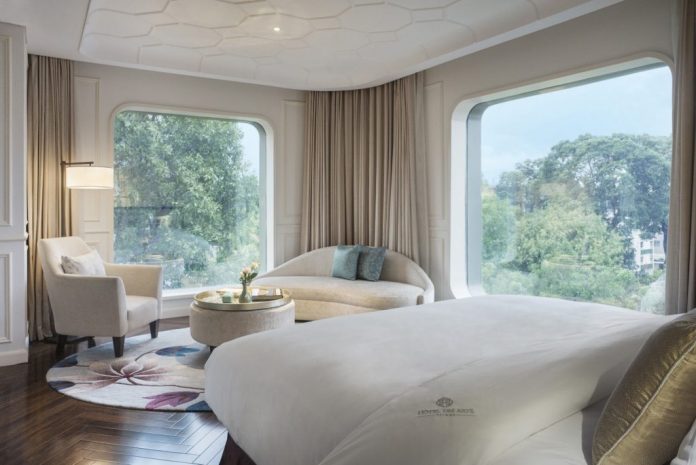
From FITO, returning to District 3 brings you back into a setting shaped by the romance of Indochina. Hôtel des Arts Saigon, a member of the MGallery Collection under Accor, recalls French colonial elegance blended with modern comfort. Inside the hotel, art filled corridors and Art Deco details create a living gallery that celebrates culture and design.
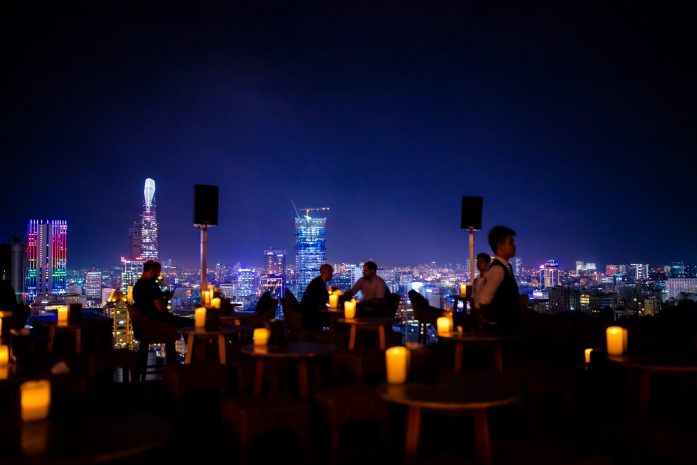
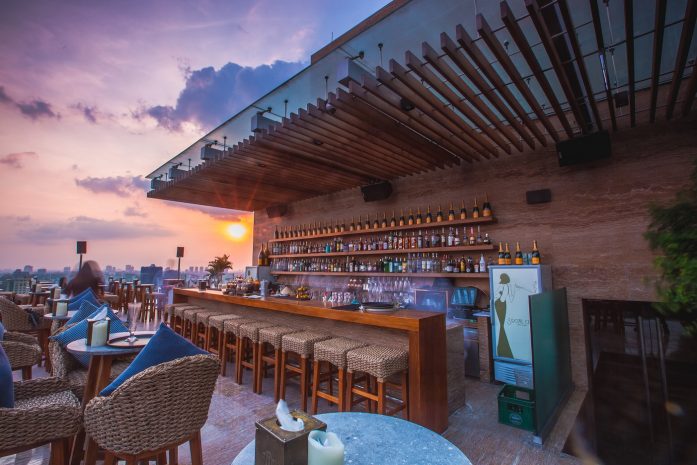
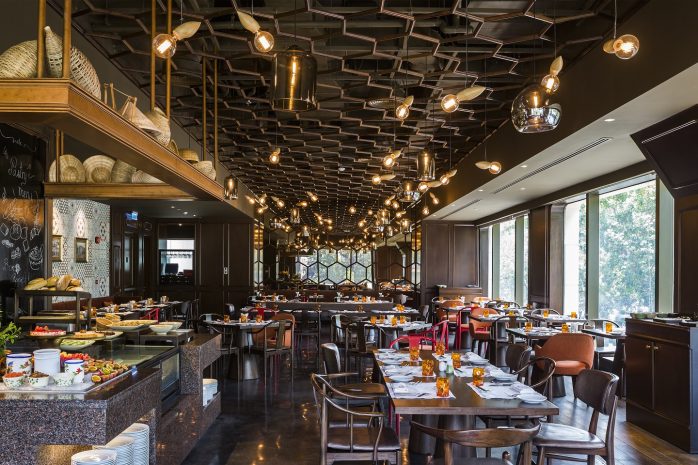
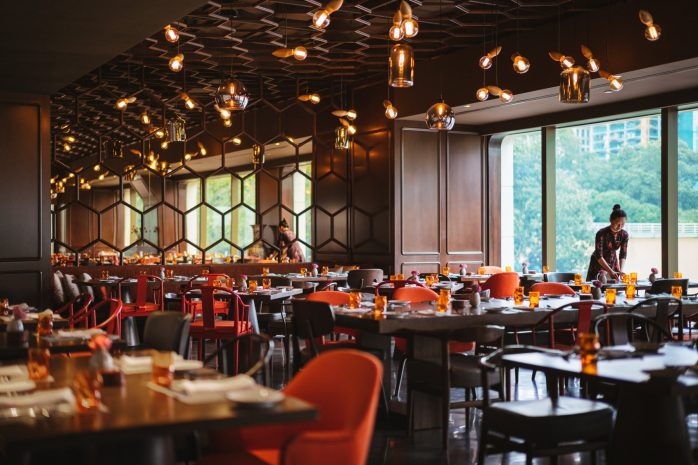
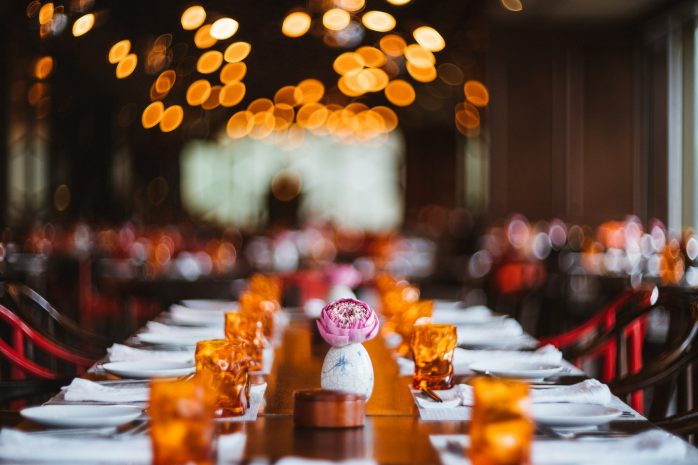
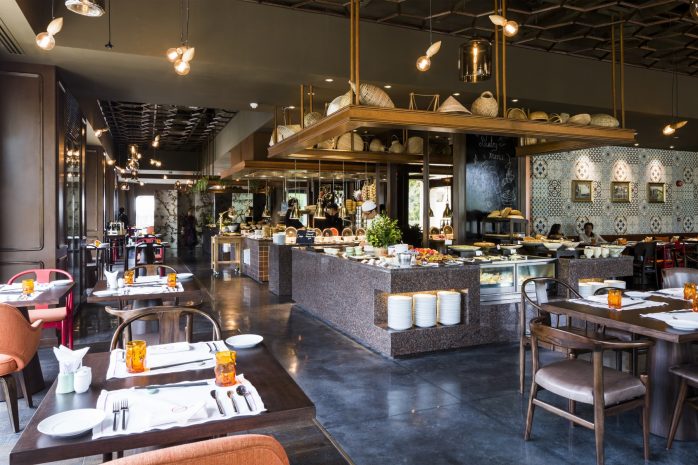
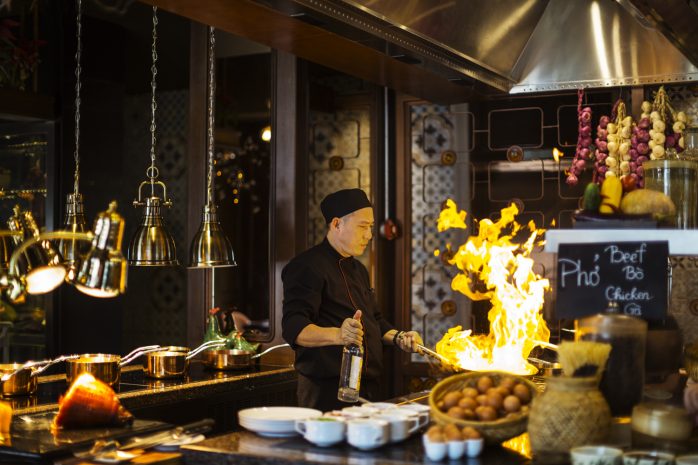
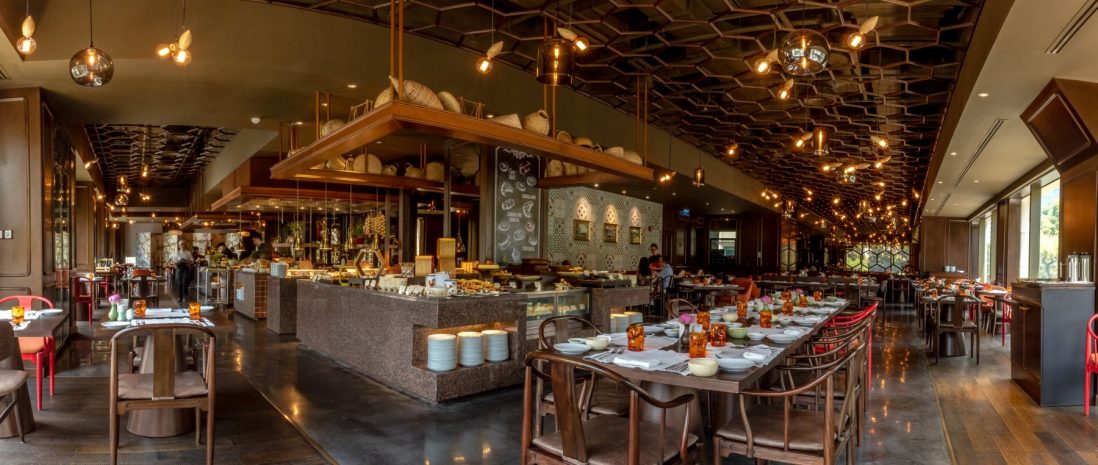
Dining experiences unfold as chapters of a journey. Saigon Kitchen offers Asian inspired cuisine, Cafe des Beaux Arts hosts afternoon tea in a relaxed, elegant setting, and Social Club Rooftop Bar frames Saigon sunsets from above. As evening deepens, The Albion by Kirk Westaway invites guests into a refined atmosphere inspired by the 1930s, where flavors are guided by clarity and balance.
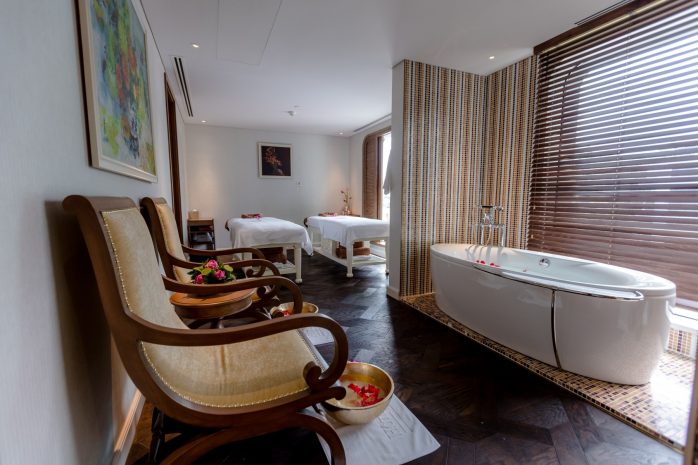
For those who wish to weave a visit to FITO into a stay defined by artistry and heritage, Hôtel des Arts Saigon offers personalized service, boutique elegance, and dining experiences that complete the story of a memorable Saigon journey.
Follow our hotel on: